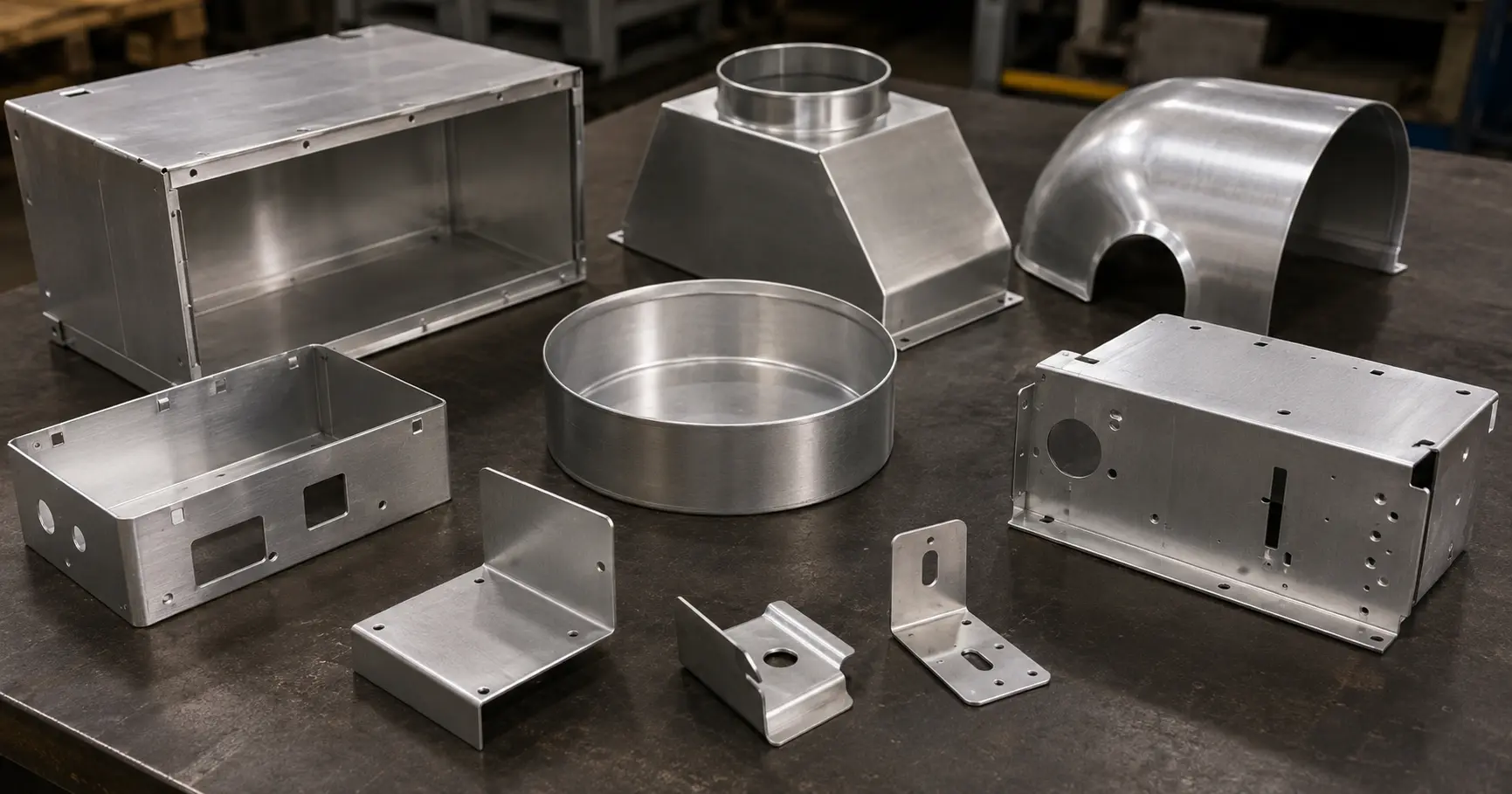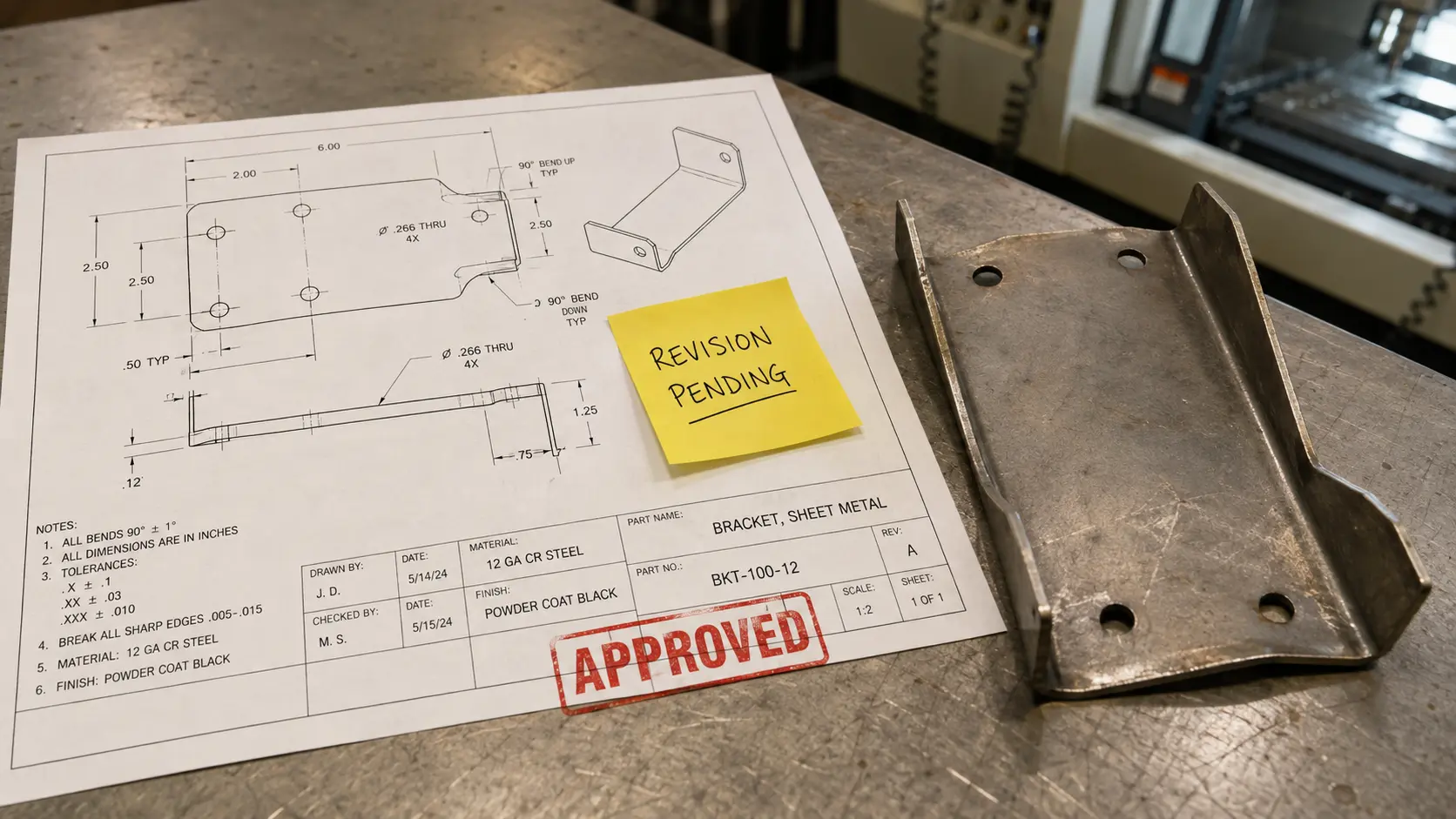
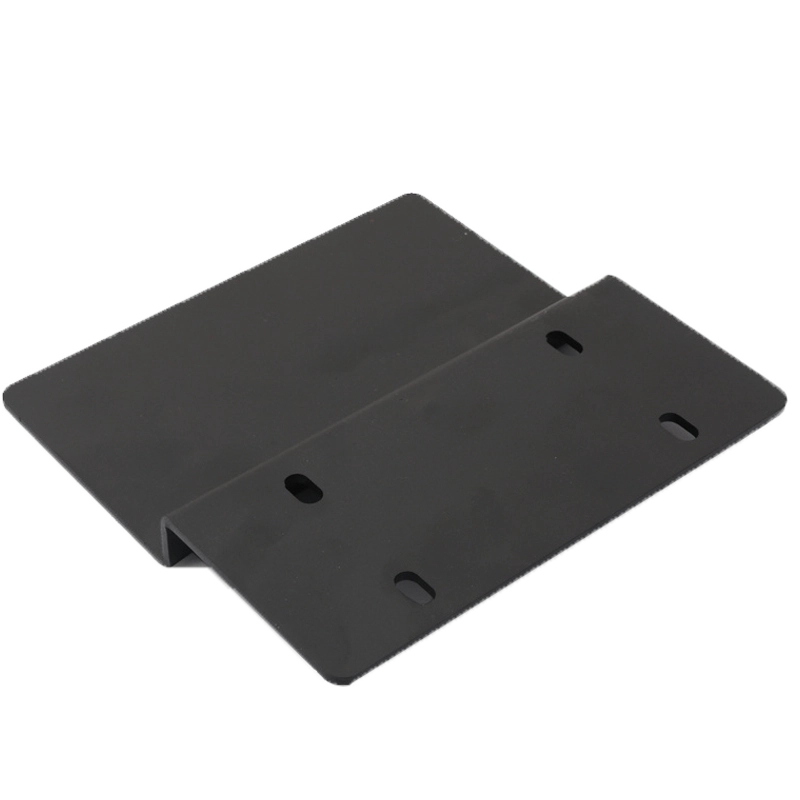
二次加工
二次加工とは 板金加工?
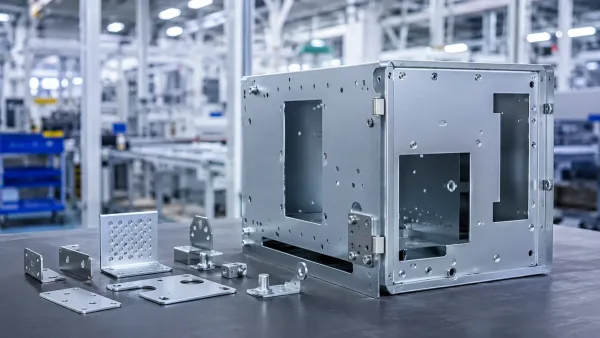
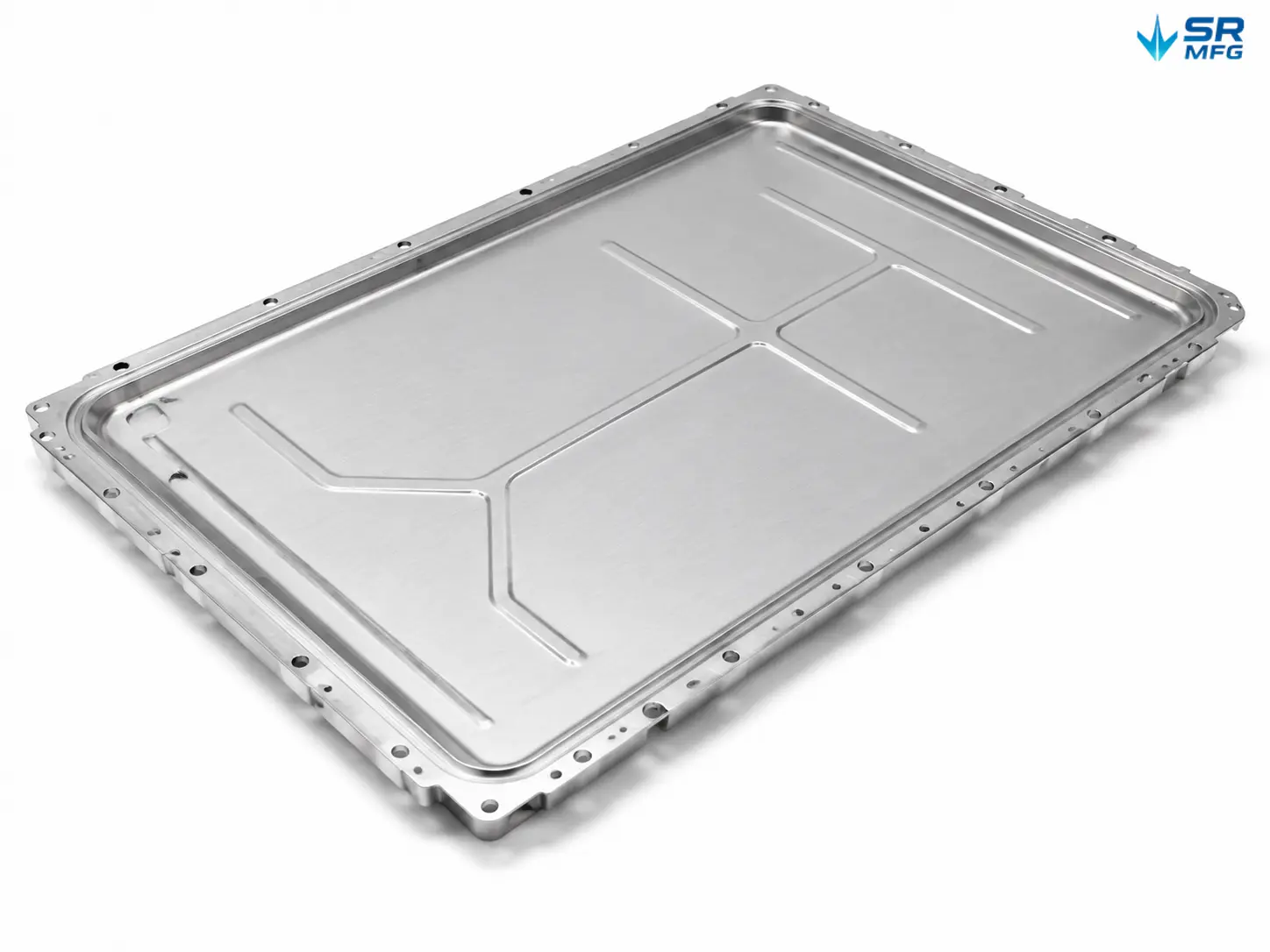
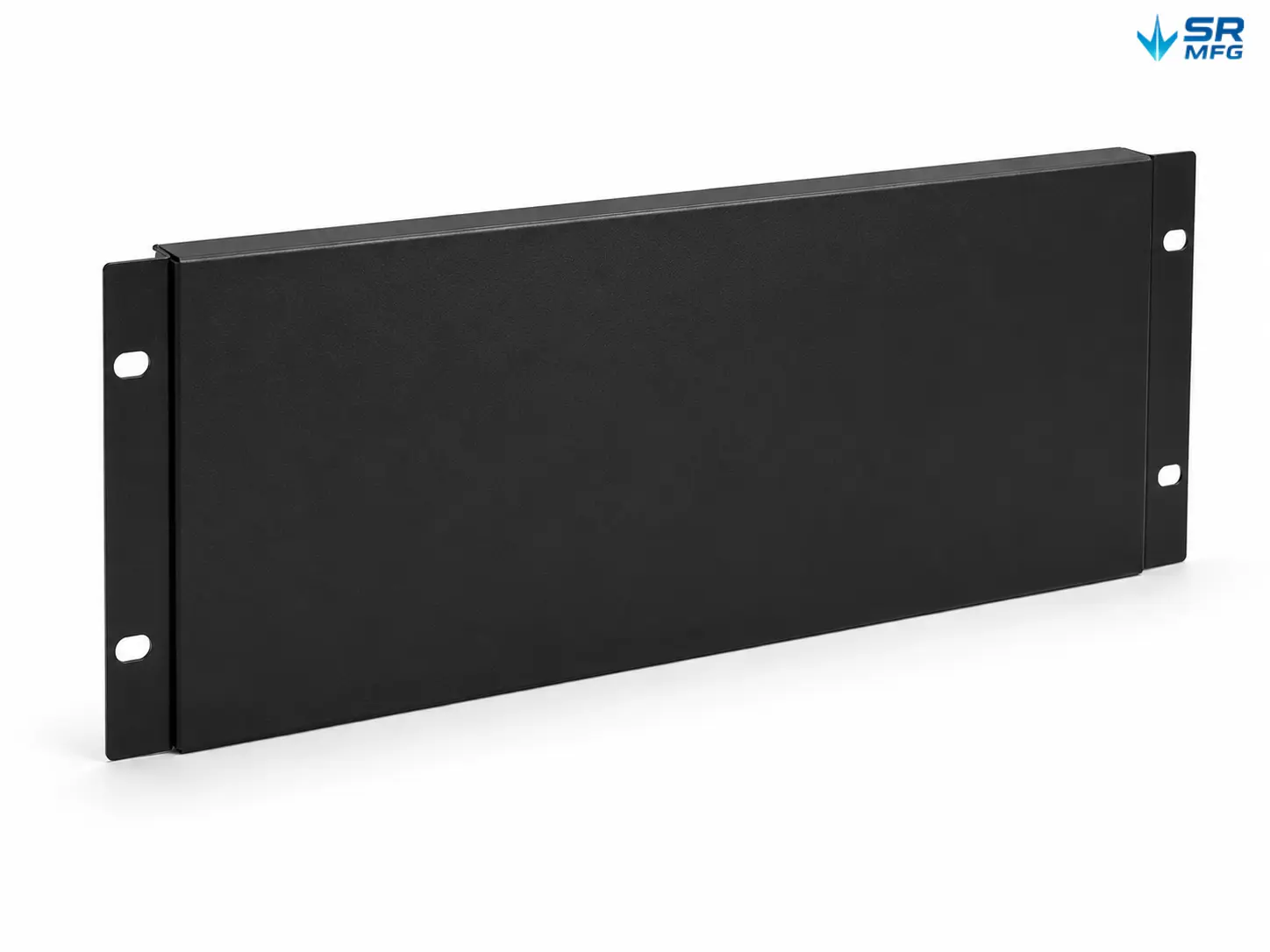
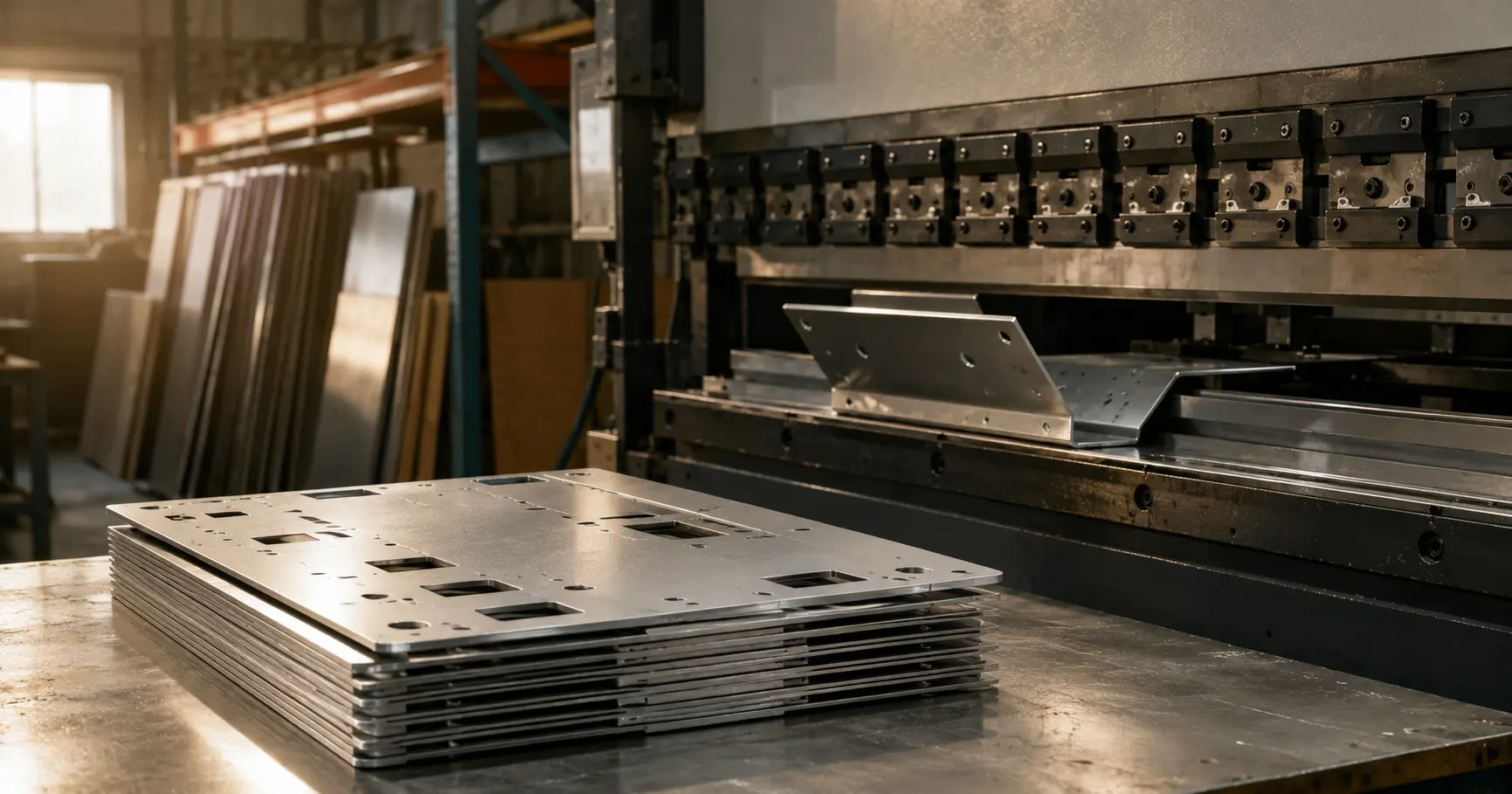
板金製造において、二次加工とはレーザー切断、プレス加工、曲げ、溶接などの一次加工工程後に実施される後続プロセスです。.
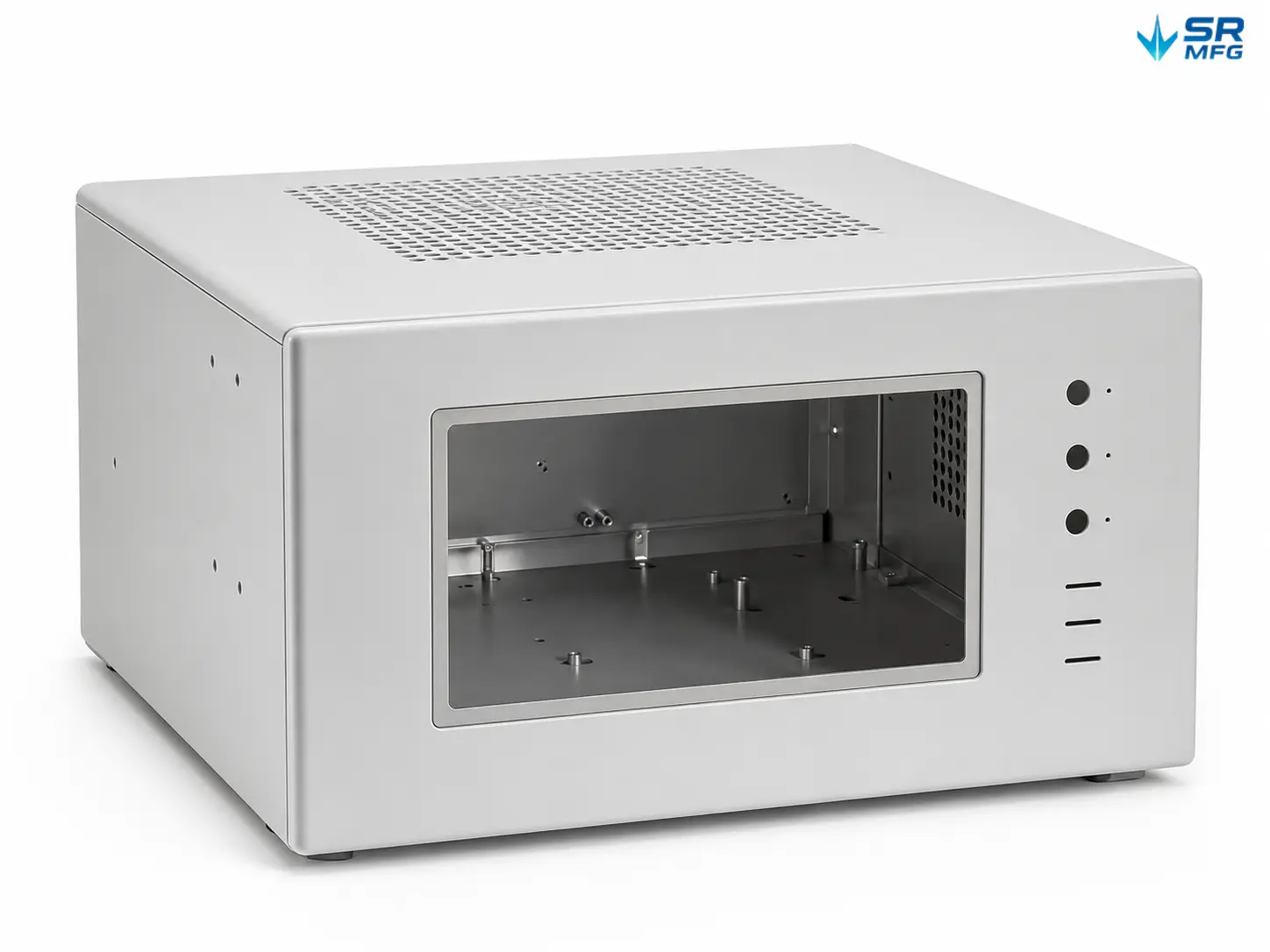
これらの加工により、半完成部品はエッジ状態、穴品質、ハードウェア取付、表面仕上げ、検査状況、適切な梱包が管理された組立可能な部品になります。.
部品が最終的な寸法、表面、機能、出荷要件を満たし、組立、設置、または顧客検収に直接進めるよう支援します。.
二次加工は手直しの削減、一貫性の向上、次の工程に準備された部品の納品を支援します。.
二次加工は手直しの削減、一貫性の向上、次の工程に準備された部品の納品を支援します。.
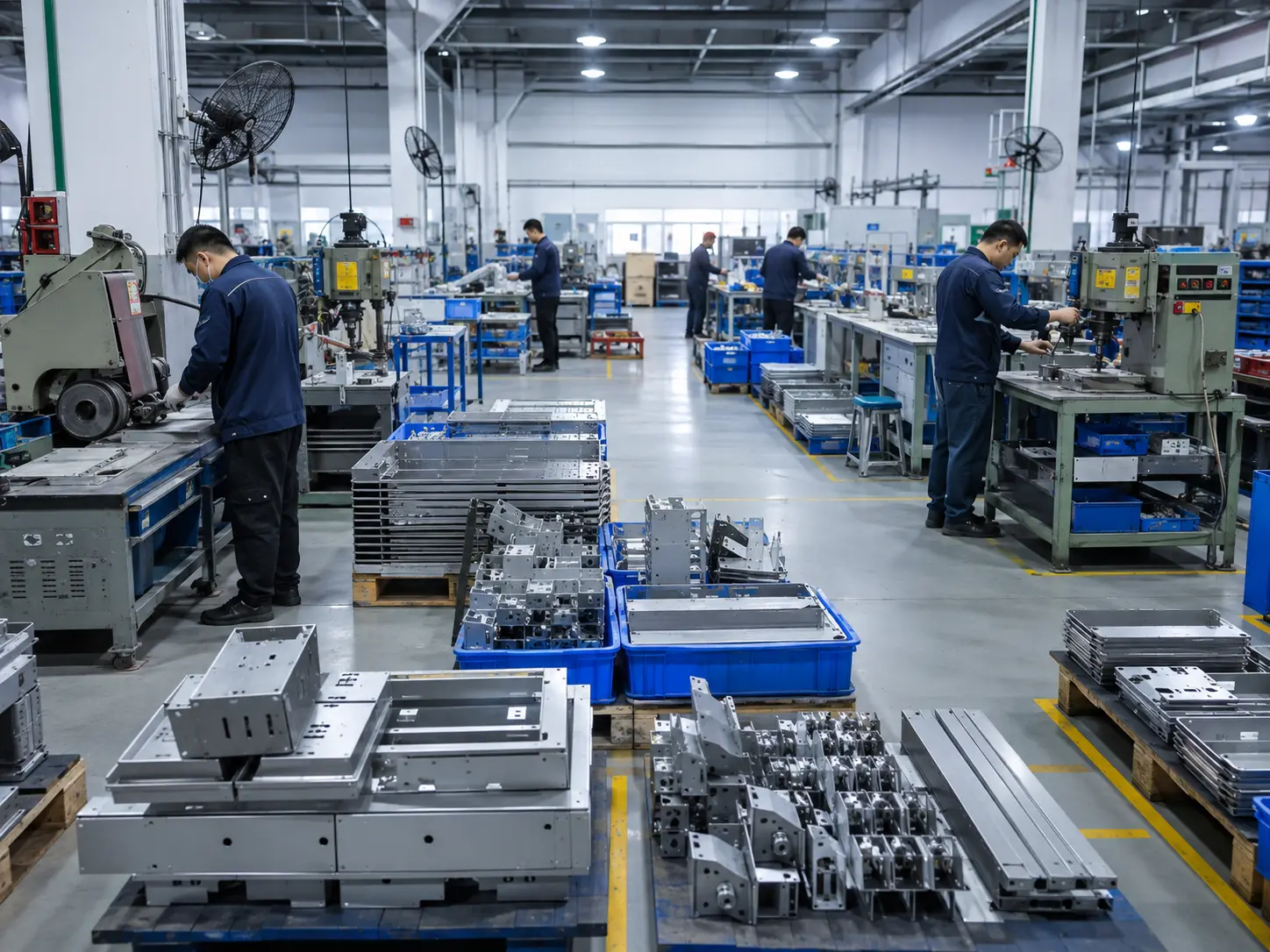
組立準備完了
取り付けまたは最終組立の準備済み
一般的な二次加工には以下が含まれます
バリ取り &
エッジ仕上げ
タップ加工 &
ねじ切り
PEM / リベット
ハードウェア挿入
座ぐり加工
& 面取り
軽組立
& 締結
検査 &
品質チェック
ラベリング &
梱包
二次加工 & 仕上げサポート
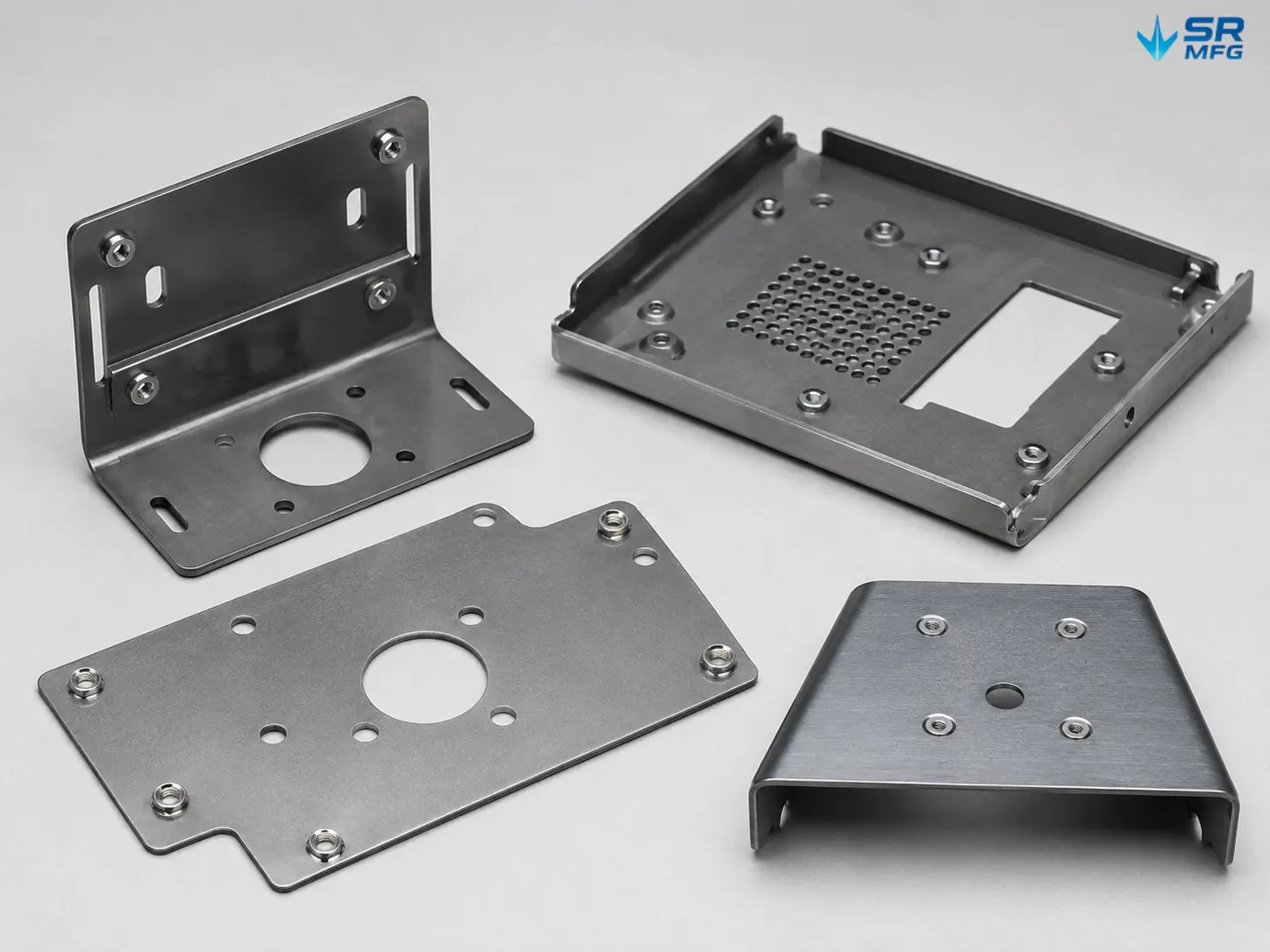
表面処理から組立・梱包まで、当社の金属二次加工プロセスにより、部品を組立準備完了、出荷準備完了、生産準備完了の状態にお届けします。.
切断、プレス、または機械加工された部品からバリや鋭利なエッジを除去します。.
- 安全性と取り扱い性の向上
- 嵌合および組立干渉の低減
- コーティングや仕上げの前処理に貢献
- エッジ要件:バリなし、エッジブレイク、またはアール
- 重要な外観面または機能面
機能部品のエッジアール、面取り、またはエッジブレイク条件を管理します。.
- 鋭角リスクの低減
- エッジ部のコーティング被覆性向上
- より安全な取り扱いと設置をサポート
- 目標アール、面取り、またはエッジブレイク基準
- 処理が必要なエッジ、穴、または溶接シーム
締結および組立用のねじ穴またはねじ形状を形成します。.
- 切断または成形後にめねじを追加
- ねじ締結および組立をサポート
- 検査チェックとの組み合わせが可能
- ねじサイズ、深さ、公差
- ねじ検査またはゲージ要件
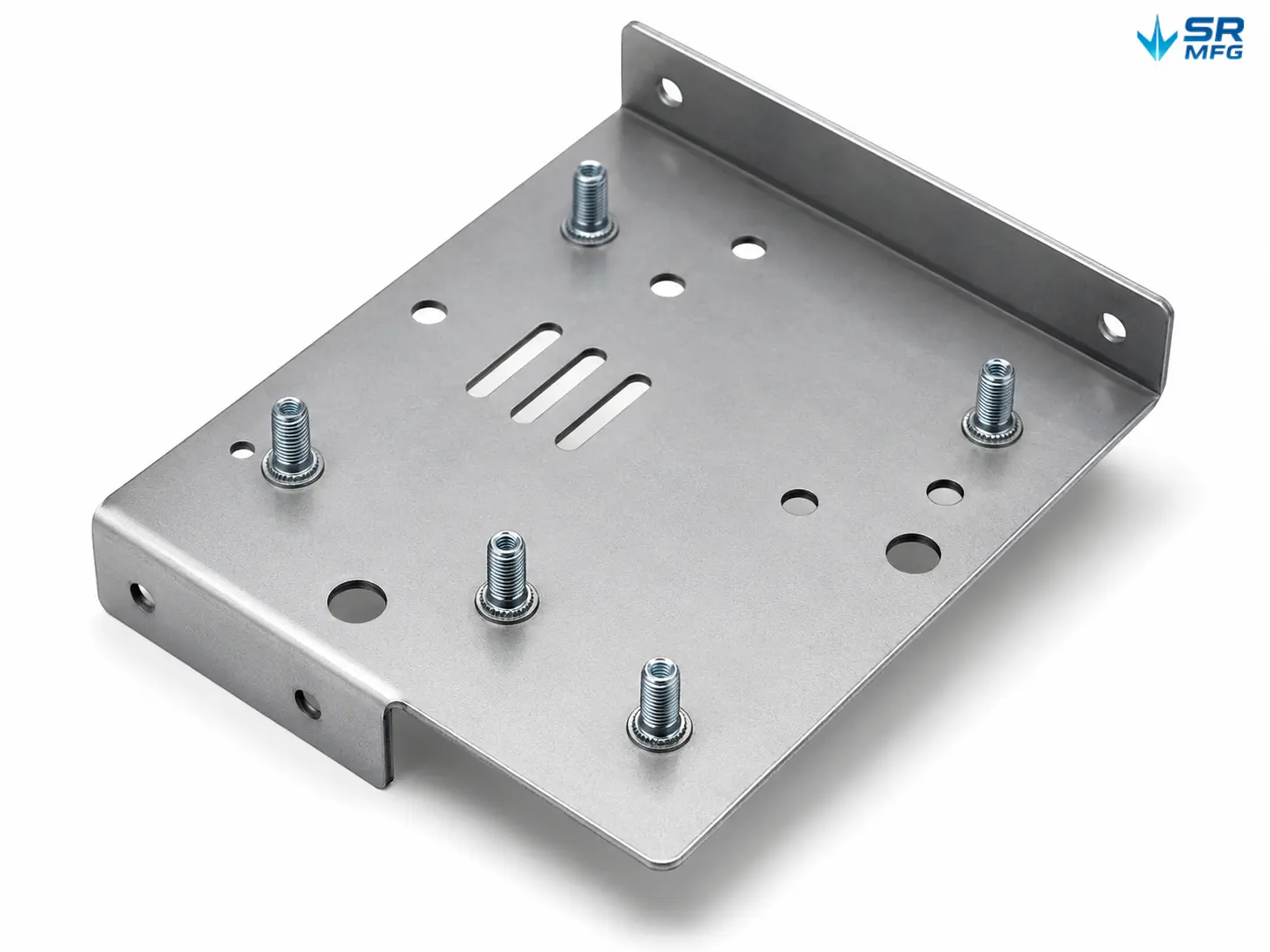
板金部品にナット、スタッド、スタンドオフ、リベット、または締結ハードウェアを組み付けます。.
- 恒久的な締結ポイントを追加
- 組立速度と再現性の向上
- 筐体、ブラケット、パネルの製造をサポート
- ハードウェアの種類、ブランド、型番
- 引抜き、トルク、または取付要件
Create countersunk or chamfered features for flush fasteners and clean edge transitions.
- Supports flush screw installation
- Improves part fit and assembly appearance
- Reduces sharp hole edges
- Countersink angle, diameter, and depth
- Fastener type and critical hole locations
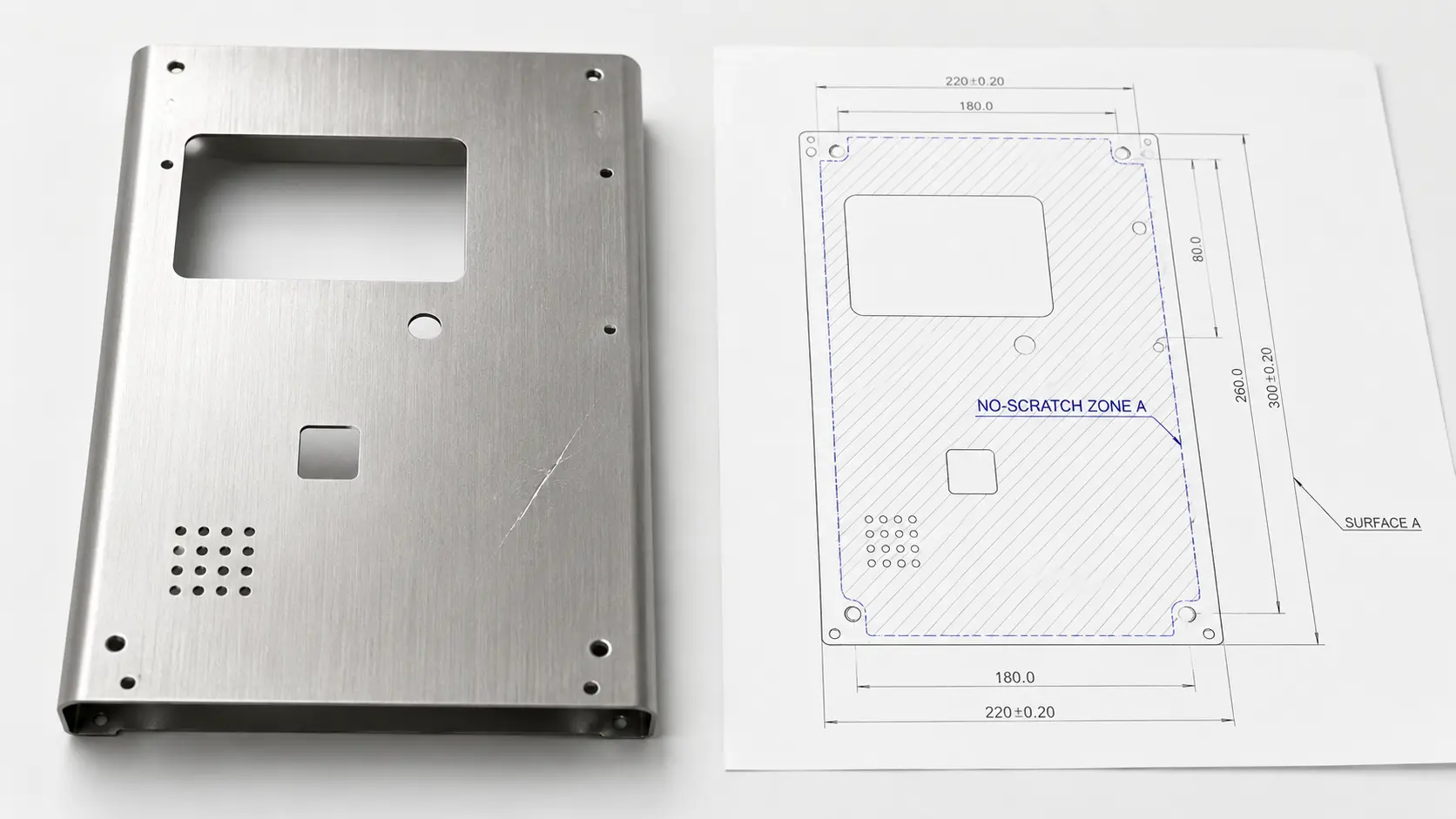
Standardize appearance, texture, gloss, and roughness on visible surfaces.
- Improves cosmetic consistency
- Controls grain direction and surface texture
- Reduces light scratches or oxidation marks when feasible
- Finish sample, grain direction, or roughness target
- Cosmetic grade and protected areas
Remove oils, coolant, particles, and residues from holes, slots, and internal cavities.
- Improves cleanliness before coating or assembly
- Helps remove contaminants from complex geometry
- Can support clean packaging requirements
- Contaminant type and cleanliness target
- Drying, water spot, or packaging requirement
Assemble, inspect, label, kit, and pack parts according to delivery requirements.
- Supports light assembly and fastening
- Provides inspection and documentation checks
- Reduces shipping damage and mixed-part risk
- BOM, work instructions, or inspection standard
- Labeling, kitting, and packing method
Provide clear requirements, we deliver consistent results. Please define edge condition, thread specs, hardware type, finish target, inspection points, labeling, and packing method when available.
見積もりを依頼Why Secondary Operations Matter for Assembly-Ready Parts
Secondary operations are not just finishing steps—they help determine whether a part is ready for fit-up, assembly, inspection, and final delivery.
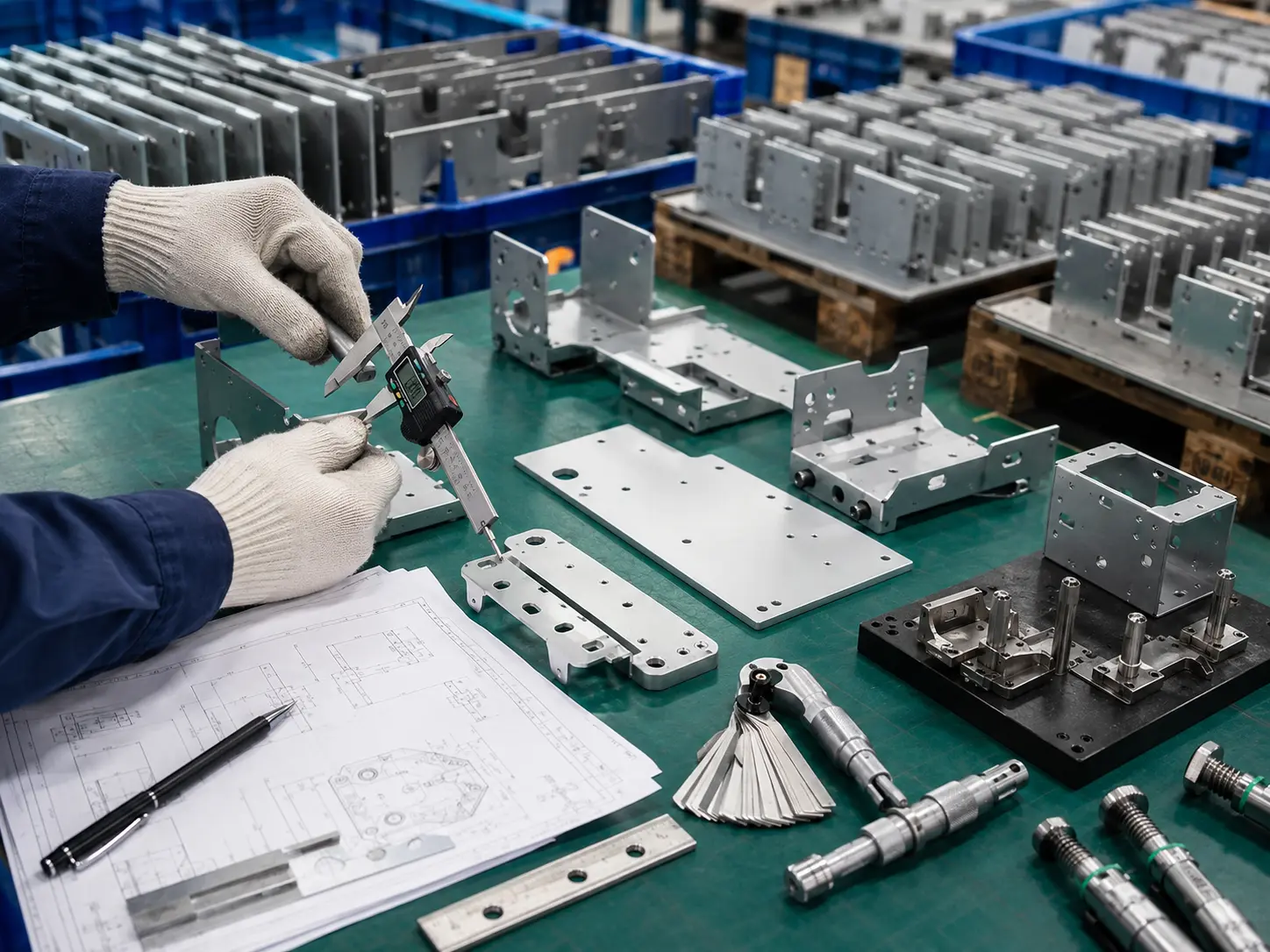
- Supports accurate locating surfaces and hole positions
- Helps parts align correctly during installation
- Reduces assembly trial-and-error
- Deburring and edge finishing improve handling safety
- Helps avoid fit-up issues and coating defects
- Important for cosmetic and functional edges
- Welding, grinding, and fastening can affect geometry
- Process control helps maintain assembly tolerance
- Reduces rework and installation problems
- Inspection confirms the part is ready to install
- Records help trace issues back to the process step
- Improves acceptance and delivery confidence
エンジニアリングノート: Assembly-ready requirements should be defined early, including datum surfaces, hole locations, edge conditions, joining method, tolerance expectations, and final inspection criteria.
Material Considerations for Secondary Operations
Different metals react differently to secondary processes such as deburring, grinding, polishing, cleaning, and assembly. Understanding material characteristics helps ensure consistent quality and assembly-ready results.
Corrosion-resistant and strong. Common for industrial, medical, food-service, and architectural sheet metal parts.
- Deburring, edge finishing, polishing, satin finishing
- Cleaning, passivation, assembly, and protective packaging
- Prevent iron contamination, fingerprints, and visible scratches
- Maintain consistent grain direction and cosmetic finish
- Use proper tooling and process control for visible surfaces
- Material grade, such as 304 or 316
- Surface finish, grain direction, and protected areas
- Cleaning or passivation requirements if needed
Cost-effective and widely used. Suitable for formed, welded, painted, plated, and assembled metal parts.
- Deburring, tapping, threading, grinding, and chamfering
- Welding, fastening, assembly, coating, and packaging
- Control rust during production, storage, and shipment
- Clean oil, scale, and debris before coating or plating
- Welding may cause distortion; fixture and sequence control matter
- Steel grade, thickness, and coating or plating requirements
- Welding, distortion control, and inspection standards
- Packing method for rust and handling protection
Lightweight with good corrosion resistance. Common for equipment, electronics, transportation, and enclosure parts.
- Deburring, chamfering, polishing, brushing, and light assembly
- Anodizing preparation and cosmetic surface control
- Soft material; easy to scratch, dent, or deform
- Use sharp tools, clean handling, and proper fixturing
- Avoid cross-contamination with steel particles
- Alloy grade, such as 5052, 6061, or 7075
- Surface finish, anodizing, or color requirements
- Critical cosmetic surfaces and protection method
Steel sheet with zinc coating for corrosion protection. Common for enclosures, brackets, and outdoor applications.
- Deburring, edge finishing, light forming, and assembly
- Non-structural parts where zinc coating must be protected
- Avoid excessive grinding that removes the zinc layer
- Welding may produce zinc fumes; ventilation is required
- Cut edges may need post-process protection
- Zinc coating type and coating weight
- Post-process protection, such as zinc repair or paint
- Welding and fume-control requirements
Excellent conductivity and formability. Common for electrical, decorative, and precision components.
- Polishing, mirror finishing, cleaning, degreasing, and mechanical fastening
- Decorative, conductive, and appearance-sensitive parts
- Prone to oxidation, discoloration, and fingerprint marks
- Handle with clean gloves and protect surfaces during storage
- Packaging method affects final appearance quality
- Alloy type, such as C110, C260, brass, or bronze
- Surface finish, brightness, and anti-oxidation requirements
- Protective film or packaging requirements
エンジニアリングノート: Material behavior varies by thickness, alloy grade, heat treatment, surface condition, and part design. Provide drawings, finish requirements, and application conditions so SR MFG can recommend the right secondary operation route.
Explore the material library of SR MFGReady to Review Your Secondary Processing Requirements?
Send us your drawings, material, part condition after primary fabrication, required secondary operations, surface requirements, assembly details, inspection criteria, and packaging needs. Our engineering team will review the process sequence and recommend a suitable secondary processing route for your parts.
Industries & Secondary Processing Applications
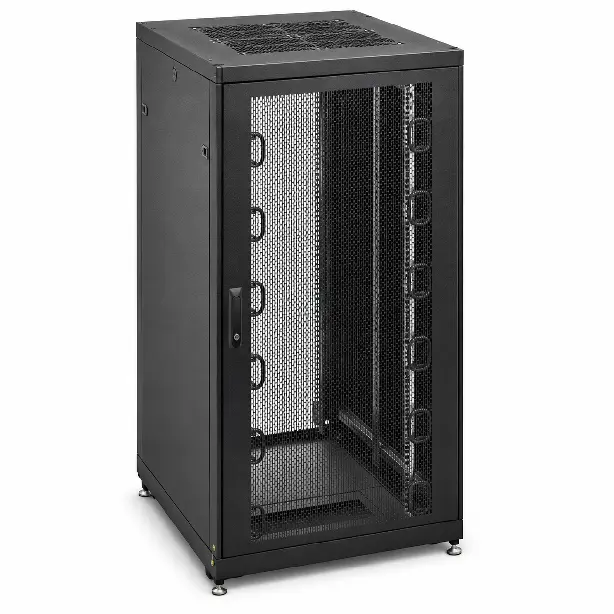
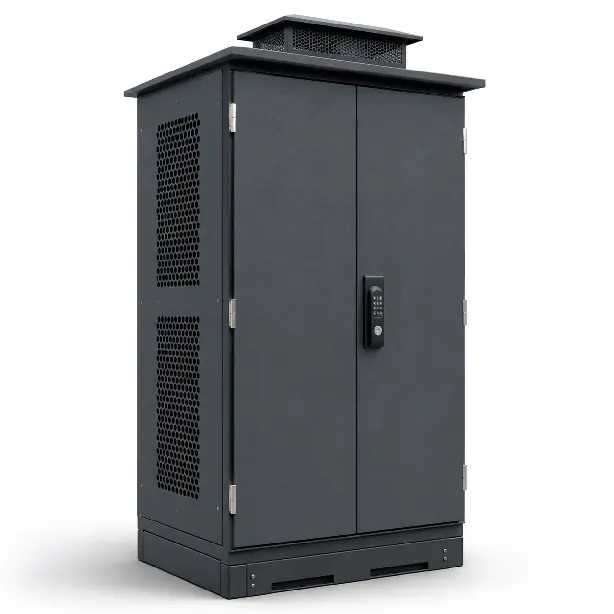
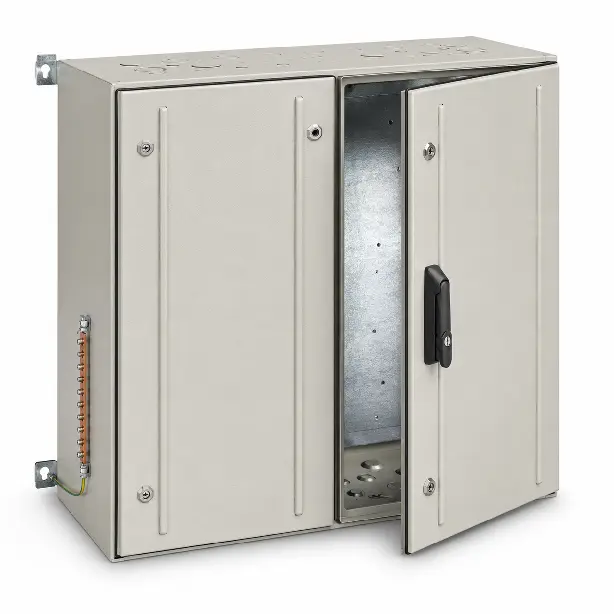
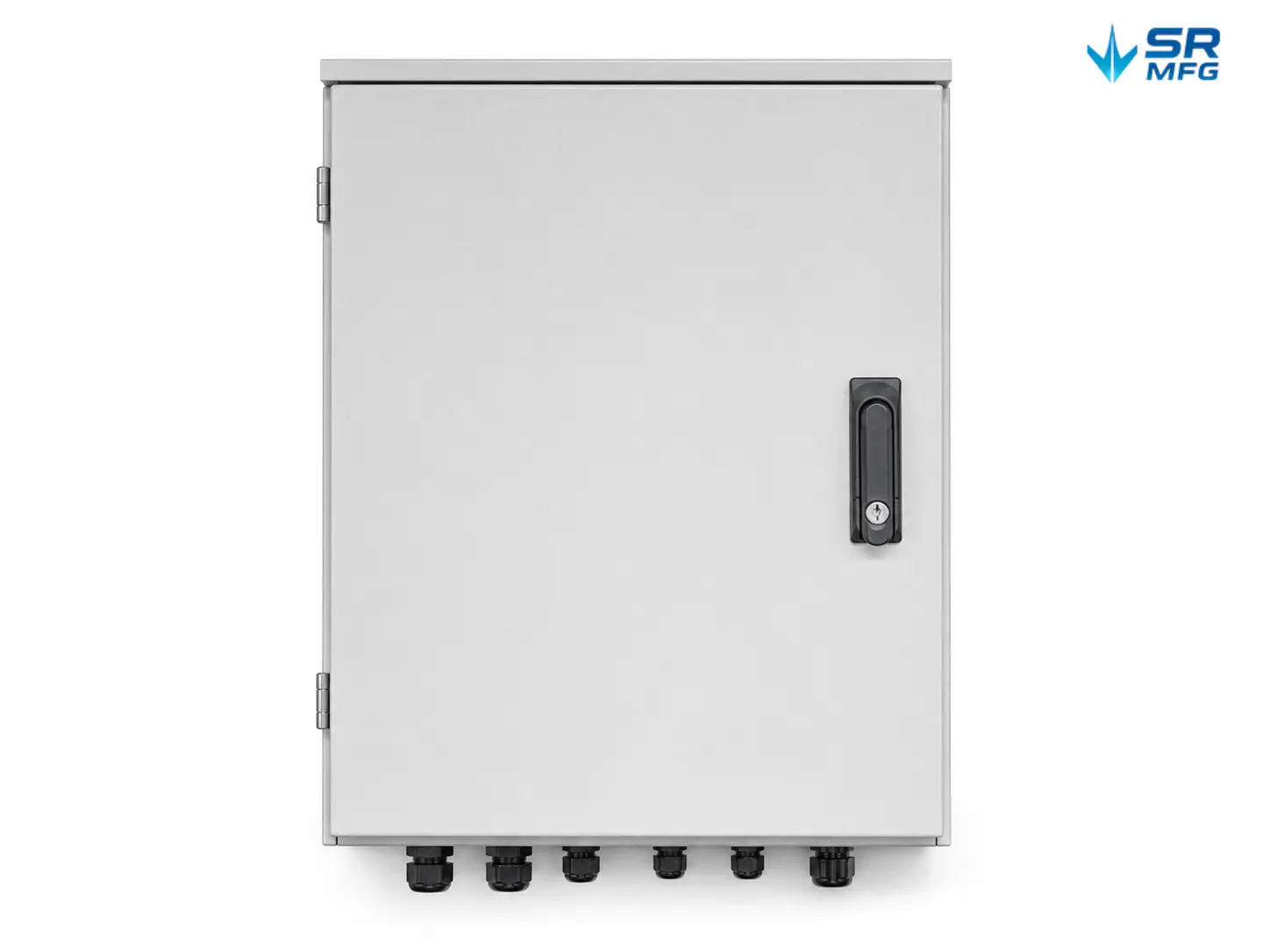
SR MFGは提供しています secondary processing services for sheet metal parts used in data center equipment, consumer electronics, electrical systems, industrial equipment, new energy systems, and outdoor products. Secondary processing helps improve part edges, surfaces, hole features, assembly fit, and final usability after cutting, bending, welding, or forming.
We support both prototype validation and stable batch production for sheet metal parts that require deburring, tapping, countersinking, polishing, grinding, cleaning, assembly preparation, and other post-fabrication operations.