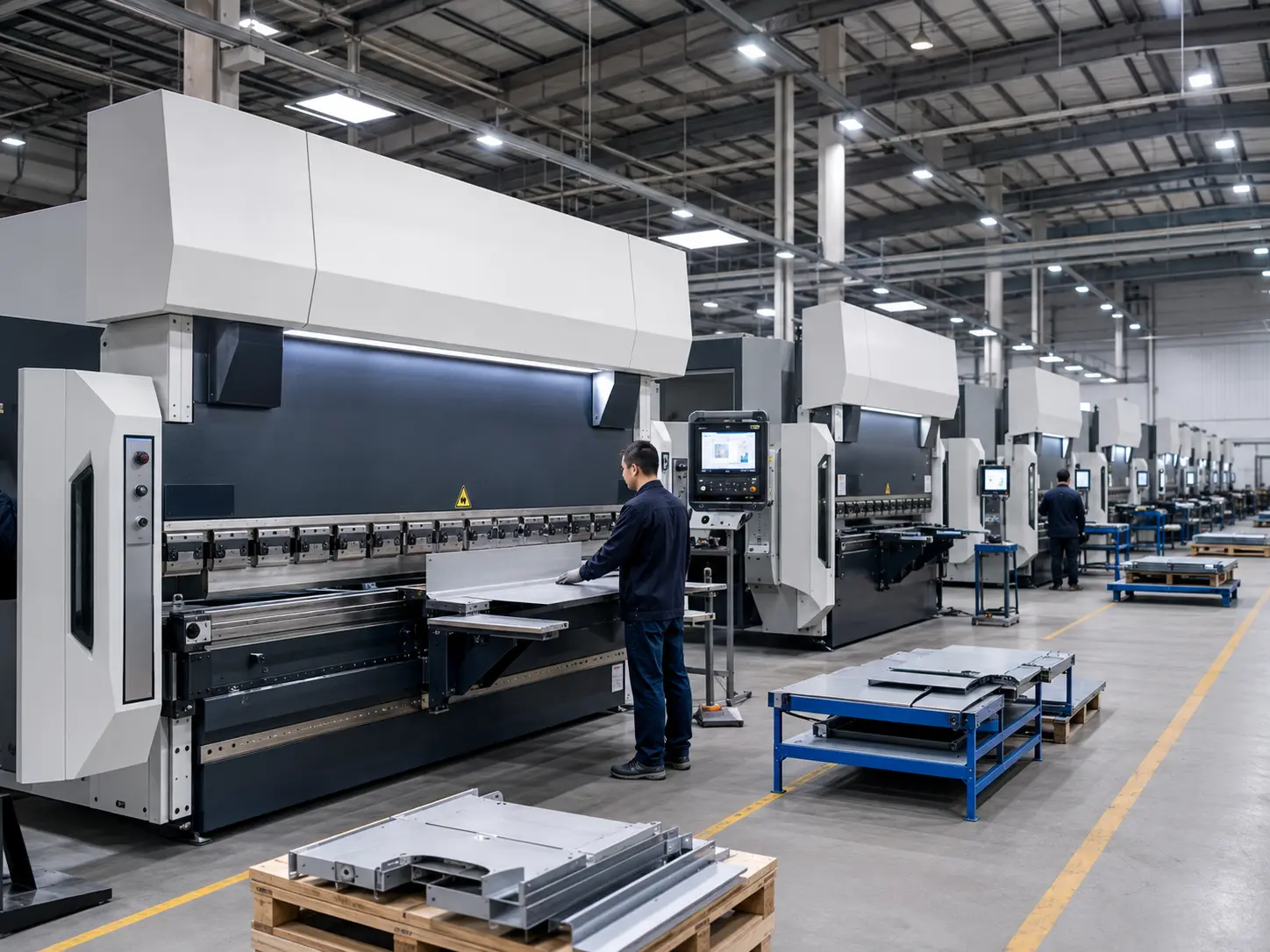
双瑞と提携して製造コストを削減 30% 効率を向上させます.

金属曲げ加工サービス2026-08-14T02:07:49+00:00

精密板金部品向け金属曲げ加工サービス

カスタム成形部品、試作品、量産向けのOEM板金曲げ加工。.

±0.1 mm
曲げ精度
3~5日
試作リードタイム
試作
量産まで

12時間以内にカスタム見積もりを取得

図面をアップロードしてエンジニアリングレビューを受けてください。.

空白フォーム (#4)

金属曲げ加工でSR MFGが選ばれる理由

試作品から量産板金部品まで安定した曲げ品質を、工程設定から最終納品まで一貫管理。.

安定した量産

トレーサブルな製造プロセスと体系的な品質管理体制により、一貫した量産を実現。.

DFMコラボレーション

エンジニアリング主導のDFMコラボレーションを通じ、設計段階で金属曲げ工程と製造コストを最適化。.

metal bent parts

ワンストップ製造

金属曲げ加工から最終出荷まで、ワンストップの板金製造サービスを提供。.

工程最適化

治具段取り、曲げ順序、工程パラメータを最適化し、量産における再現性向上と手直し削減を実現。.

曲げ加工の課題 一般的な課題 SR MFGのアプローチ
曲げ角度の一貫性 バッチ間で曲げ角度が変動し、組立手直しが発生する可能性がある。. プレスブレーキパラメータの標準化と検査により、成形部品の一貫性を維持。.
部品サイズ・板厚範囲 小規模工場では、大型または複雑な曲げ加工を外注する場合がある。. 複数のプレスブレーキで、小型精密部品、パネル、フレーム、溶接構造物に対応。.
曲げ+溶接のひずみ 曲げと溶接を別々に処理すると、後工程で位置ずれや収縮の問題が発生。. 曲げ、溶接、組立を一体で検討し、ひずみリスクを低減。.
試作から量産への再現性 試作品は合格しても、異なる機械や作業者により量産でばらつきが生じる場合がある。. 同一のプロセスウィンドウ、治具段取り、検査基準を試作から量産まで一貫して適用。.
能力

SR MFGの精密金属曲げ加工能力

ブラケット、フレーム、筐体、パネル、溶接構造物などのOEM板金部品について、製造前に材料板厚、曲げ半径、治具段取り、有効曲げ長さ、後工程の溶接・組立要件を評価します。.

CNCプレスブレーキ曲げ加工

自動
曲げ加工センター

角度測定&補正

試作から量産まで

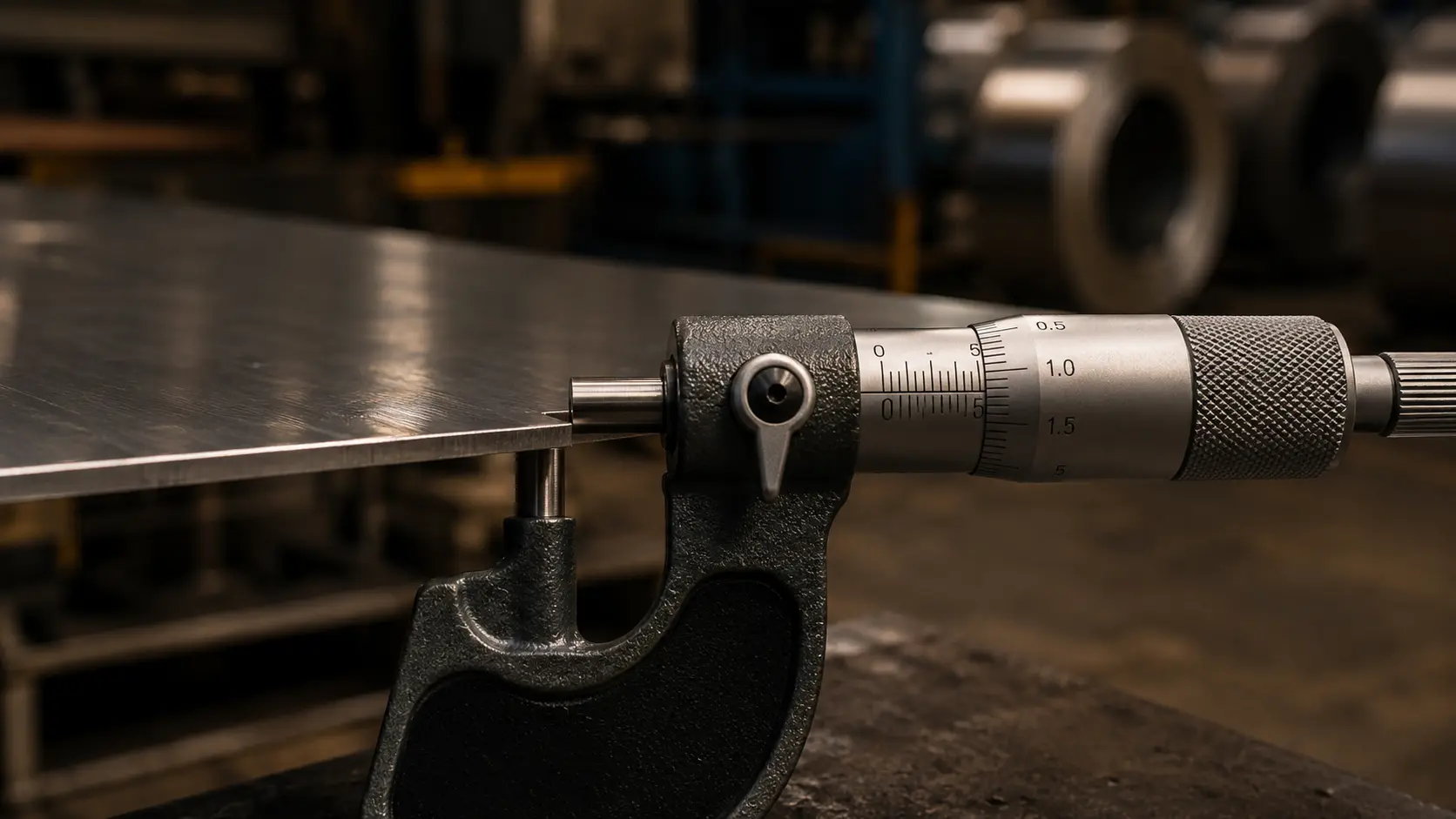
Macro view of tool marks and pressure impressions left on 1.2mm polished stainless steel sheet after press brake bending

設備と生産

SR MFGは、炭素鋼、ステンレス鋼、アルミニウム部品向けに複数のCNCプレスブレーキと自動曲げ加工センターを運用しています。オフラインプログラミング、角度測定、曲げ補正により、試作から量産まで安定した曲げ精度を実現します。.

主な特長

  • 全自動曲げ加工センター2台 高再現性の量産向け

  • CNC・油圧プレスブレーキ22台 小型から大型トン数までの曲げ加工に対応

  • 炭素鋼、ステンレス鋼、アルミニウムに対応

  • オフラインプログラミング、角度測定&曲げ補正

  • トン数別および有効曲げ長別の計画生産量

加工能力:ステンレス鋼 1.2 mm、冷延鋼板 1.5 mm、アルミニウム 2.0 mm

曲げ長さ:1,500 mm
最小成形サイズ:350 × 150 mm(四辺)、150 mm(二辺)
運転効率:0.5 s/ストローク(最大連続曲げ速度)
CNCシステム:STAR300-LGX

加工能力:ステンレス鋼 6 mm / 冷延鋼板 8 mm / アルミニウム 10 mm
曲げ長さ:4,000 mm
最小成形サイズ:200 × 150 mm
運転効率:5 mm/s(4+1軸)
CNCシステム:DELEM DA58T

加工能力:ステンレス鋼 2 mm / 冷延鋼板 3 mm / アルミニウム 4 mm
曲げ長さ:2,000 mm
最小成形サイズ:100 × 80 mm
運転効率:10 mm/s(4軸)
CNCシステム:CYBELEC CT12

加工能力:ステンレス鋼 3 mm / 冷延鋼板 4 mm / アルミニウム 5 mm
曲げ長さ:3,200 mm
最小成形サイズ:120 mm(二辺)
運転効率:8 mm/s(3+1軸)
CNCシステム:ESA S540

加工能力:ステンレス鋼 2 mm / 冷延鋼板 3 mm / アルミニウム 4 mm
曲げ長さ:3,200 mm
最小成形サイズ:200 × 150 mm
運転効率:6 mm/s(6軸)
CNCシステム:STAR300-LGX

推定日間曲げ加工能力

推定能力は、部品サイズ、材料厚さ、曲げ複雑度、金型段取り、検査要件により変動します。.

設備カテゴリ 数量(台) 能力 / 台(個/日) 推定日間生産量(個/日)
自動曲げセンター 2 1,536 3,072
サーボCNCプレスブレーキ 5 960 4,800
大型油圧プレスブレーキ 4 384 1,536
中小型プレスブレーキ 11 132 1,452
曲げ加工能力合計 22 10,860 個/日

* 能力は標準的な生産計画に基づく推定値です。実際の生産量は変動する場合があります。.

一般的な板金曲げ加工方法

多くの板金プロジェクトにおいて、金属曲げはレーザー切断された平板ブランクを機能的なブラケット、カバー、トレイ状の構造部品に変える重要な工程です。曲げが一貫して行われないと、組立時に隙間、歪み、穴の位置ずれなどの問題がすぐに発生します。.
SR MFGでは、金属曲げは二次的な作業ではありません。統合された板金生産ラインにおける、厳密に管理された品質重視の工程です。.
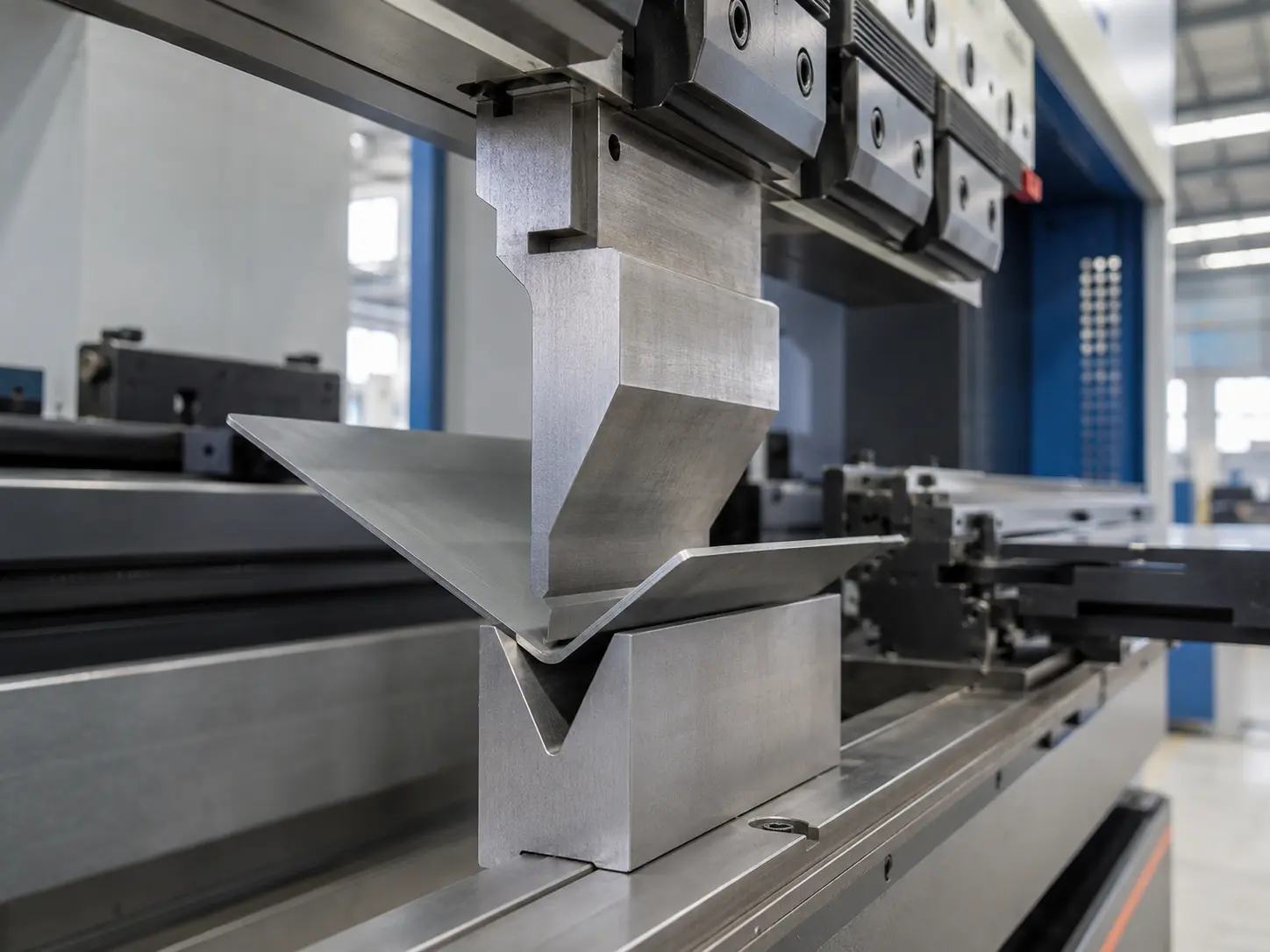
V曲げ

V曲げは、V字型のパンチとダイを使用して直線的な曲げを成形します。一貫した曲げ角度が要求されるブラケット、カバー、トレイ、筐体、および一般的な板金部品に最も一般的な方法です。.
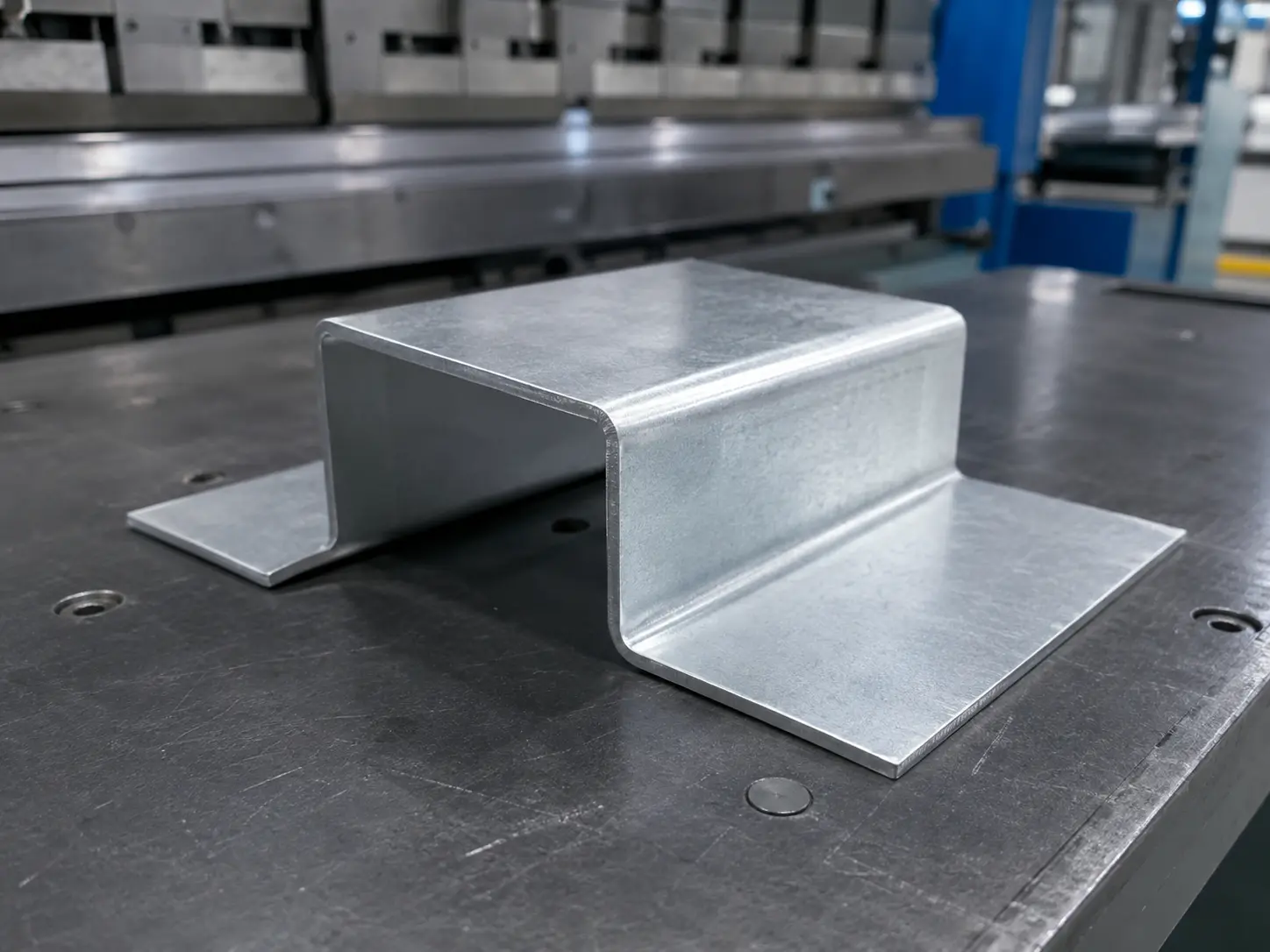
Z曲げ

Z曲げは、間に段差を設けて逆方向に2つの曲げを成形します。クリアランスと位置合わせが重要なオフセットブラケット、取付フランジ、カバー、および組立板金構造に使用されます。.
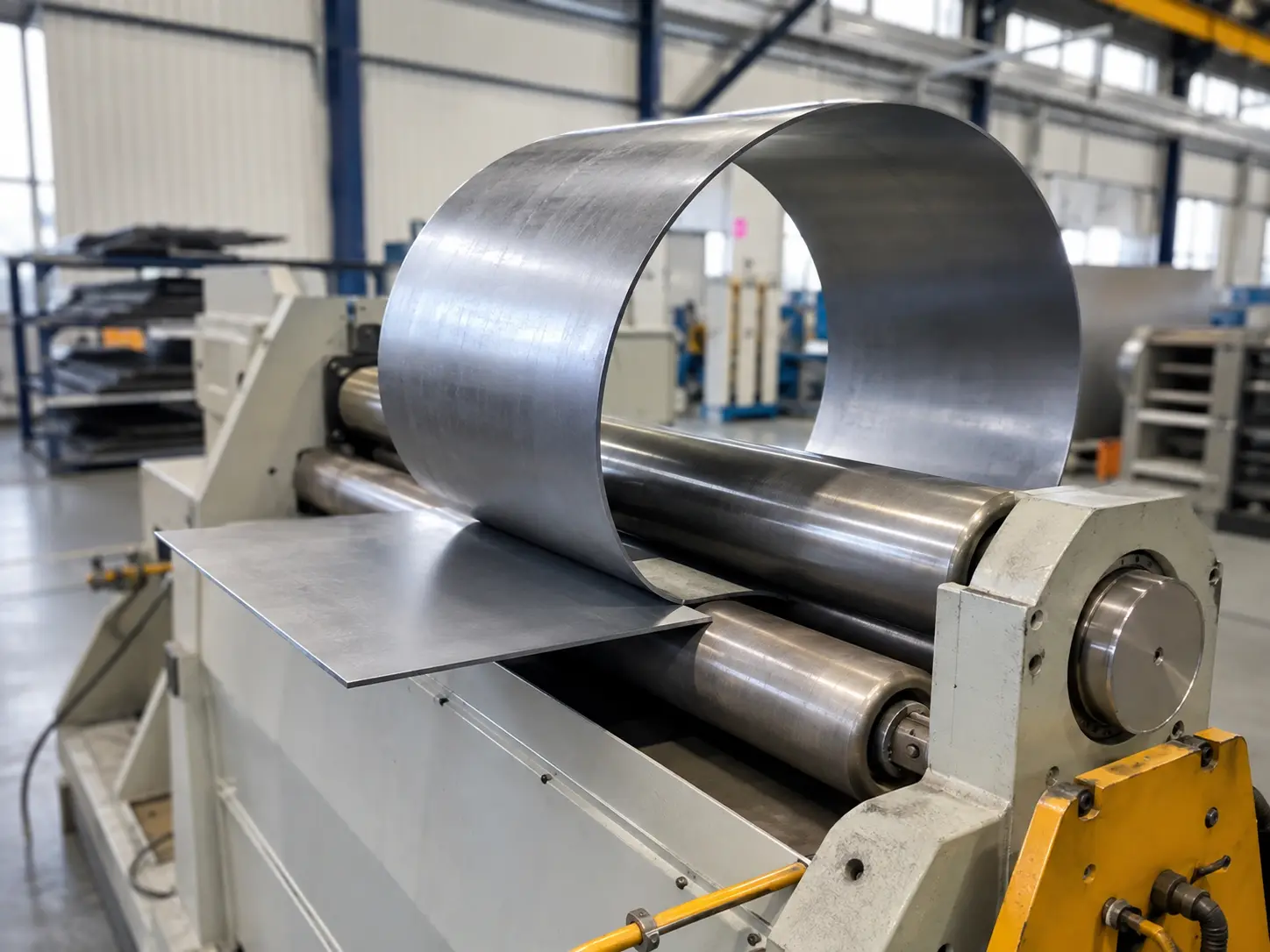
ロール曲げ(湾曲)

ロール曲げは、回転するロールを使用して大半径の曲線、円弧、リング、または円筒形状を作成します。滑らかな連続成形が要求される湾曲カバー、ガード、パネル、部品に適しています。.

一般的な金属曲げ公差

Bending tolerance depends on material thickness, bend length,bend radius, tooling, part geometry, and inspection requirements.
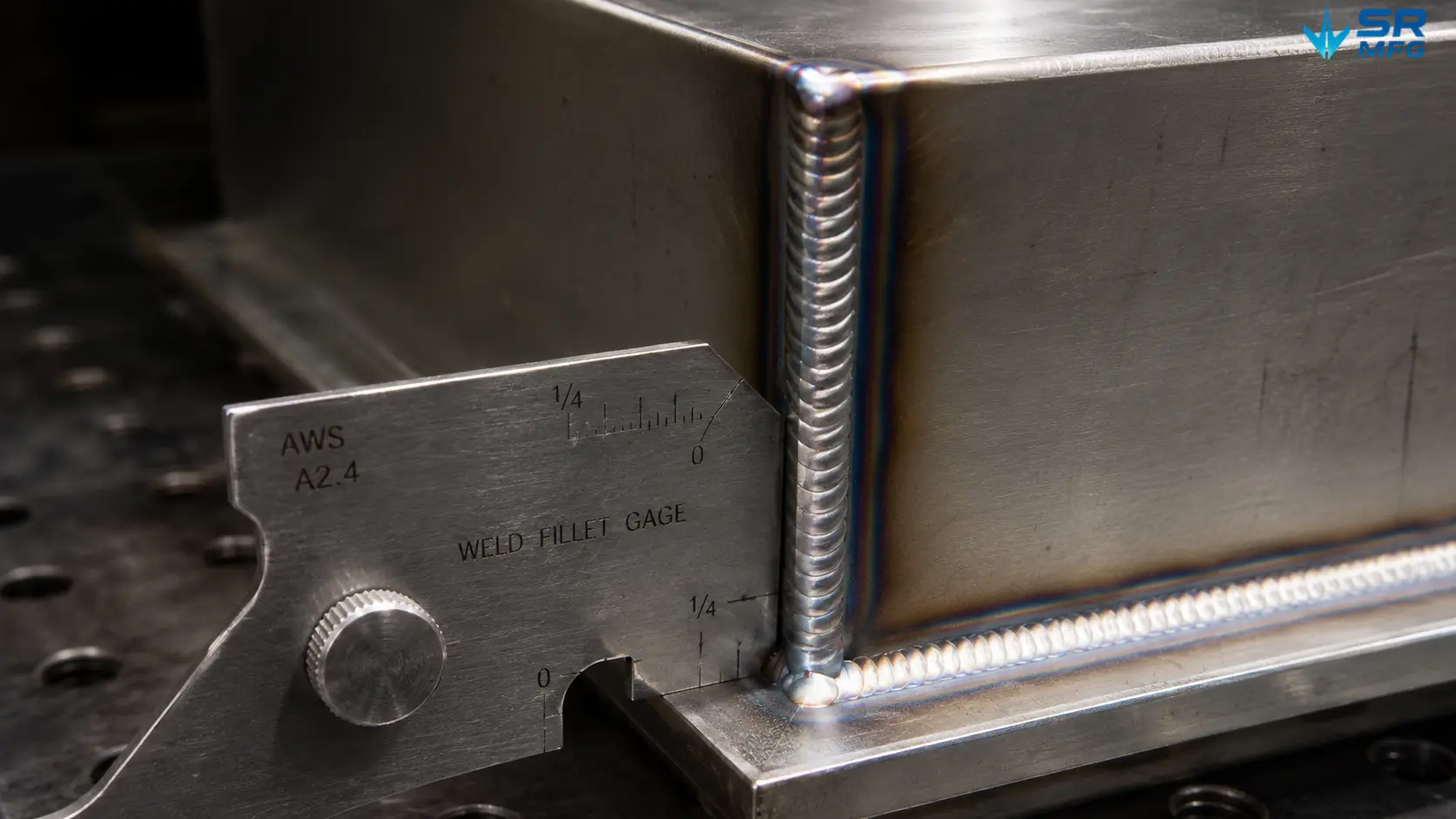
Weld fillet gauge measuring leg length on a TIG-welded stainless steel corner joint during visual weld inspection

Dimensional Tolerance

Typical formed-part dimensions can becontrolled based on drawing requirements,material behavior, and inspectioncheckpoints.

  • Linear dimension:±0.10 mm (standard)
  • Hole position:±0.10 mm
  • Flange length:±0.10 mm
  • Flatness: ≤0.20 mm over 300 mm

*Tighter tolerance can be achieved upon drawing review.

Bend Angle Tolerance

Bend angle consistency is maintainedthrough press brake setup, anglemeasurement, and bendingcompensation.

  • Standard angle tolerance:±1.0°
  • Precision angle tolerance:±0.5° (upon request)
  • Repeatability (same part):±0.5°

*Actual angle tolerance depends on material and thickness.

Critical Features

Key features that affect assembly orfunction are reviewed and controlledwith higher attention.

  • Bend radius:±0.20 mm
  • Edge distance:±0.10 mm
  • Perpendicularity: ≤0.10 mm over 100 mm
  • Twist:
    ≤0.20 mm over 300 mm

*Based on stable process and qualified tooling.

Common Materials for Metal Bending

SR MFG’s metal bending services cover common industrial sheet metals for prototypes, small batches, and high-volume production. Material selection affects bending radius, springback, surface protection, finishing options, and final assembly quality.

Materials We Commonly Bend

Common materials for metal bending include carbon steel, galvanized steel, aluminum alloys, and stainless steels. For best results, bending thickness, minimum bend radius, surface finish, and post-processing requirements should be reviewed together before production.

  • 炭素鋼

  • 亜鉛メッキ鋼板

  • アルミニウム合金

  • ステンレス鋼

  • 特殊コーティング鋼

炭素鋼

Recommended bending thickness: 0.5–3.0 mm

Typical applications: equipment enclosures, cabinets, brackets, automotive components

Bending note: good dimensional stability and surface quality; suitable for precision formed parts.

Relative cost: Low

Compatible finishes: powder coating, baking paint, electrophoresis, plating

Corrosion resistance: Fair; usually requires surface protection.

材料の詳細を見る →

Recommended bending thickness: 1.5–6.0 mm

Typical applications: structural parts, heavy machinery components, brackets, frames

Bending note: suitable for stronger formed parts, but surface scale and bend cracking risk should be considered.

Relative cost: Low

Compatible finishes: anti-rust oil, painting, powder coating after pretreatment

Corrosion resistance: Fair; surface treatment is usually required.

材料の詳細を見る →

亜鉛めっき材料

Recommended bending thickness: 0.5–2.5 mm

Typical applications: outdoor equipment covers, electrical cabinets, HVAC parts, appliance panels

Bending note: bending radius and tooling should protect the zinc layer and reduce coating flaking.

Relative cost: Medium

Compatible finishes: as-galvanized, powder coating, painting

Corrosion resistance: Good

材料の詳細を見る →

Recommended bending thickness: 0.5–2.0 mm

Typical applications: computer chassis, electronics housings, small appliance enclosures

Bending note: offers good surface uniformity for formed parts; avoid repeated bending in the same area.

Relative cost: Medium

Compatible finishes: plating, powder coating, painting, electrophoresis

Corrosion resistance: Good

材料の詳細を見る →

Recommended bending thickness: 0.8–2.0 mm

Typical applications: roofing panels, outdoor covers, appliance back panels, signage parts

Bending note: coated surface should be protected during bending; hard tooling may damage the coating.

Relative cost: Medium

Compatible finishes: as-coated, color-coated, protective coating

Corrosion resistance: Good

材料の詳細を見る →

アルミニウム合金

Recommended bending thickness: 0.8–4.0 mm

Typical applications: marine parts, outdoor enclosures, decorative panels, lightweight brackets

Bending note: good formability and corrosion resistance; suitable for many bent aluminum sheet parts.

Relative cost: Medium

Compatible finishes: anodizing, powder coating, electrophoretic coating

Corrosion resistance: Excellent

材料の詳細を見る →

Recommended bending thickness: 1.0–3.0 mm

Typical applications: structural parts, rail transit components, heat sinks, mechanical frames

Bending note: higher strength but lower bendability than 5052; larger bend radius or heat treatment may be required.

Relative cost: Medium–High

Compatible finishes: anodizing, powder coating, fluorocarbon coating

Corrosion resistance: Excellent

材料の詳細を見る →

ステンレス鋼

Recommended bending thickness: 0.5–2.0 mm

Typical applications: food-processing equipment, kitchen equipment, medical parts, general equipment covers

Bending note: higher bending force than carbon steel; grain direction and surface protection should be considered.

Relative cost: High

Compatible finishes: brushing, mirror polishing, passivation

Corrosion resistance: Excellent

材料の詳細を見る →

Recommended bending thickness: 0.5–1.5 mm

Typical applications: decorative parts, cost-sensitive stainless steel products, indoor enclosures

Bending note: lower ductility and corrosion resistance than 304; not recommended for coastal or high salt-spray environments.

Relative cost: Medium–High

Compatible finishes: brushing, powder coating, painting

Corrosion resistance: Good

材料の詳細を見る →

注記: Recommended bending thickness and bend radius depend on material grade, temper, thickness, tooling, bend length, and part geometry. Please share drawings for engineering review before production.

Are you ready to get started on your metal fabrication project?

Not sure which material is ideal for your project? Feel free to contact us.Our engineering team will recommend suitable material grades and sheet thicknesses based on strength, weight, corrosion resistance and overall cost.

Industries & Metal Bending Applications

SR MFG provides metal bending services for OEM sheet metal parts used in industrial equipment, cabinets, brackets, frames, enclosures, and structural assemblies. We support both prototype validation and stable batch production across multiple application sectors.
産業機械

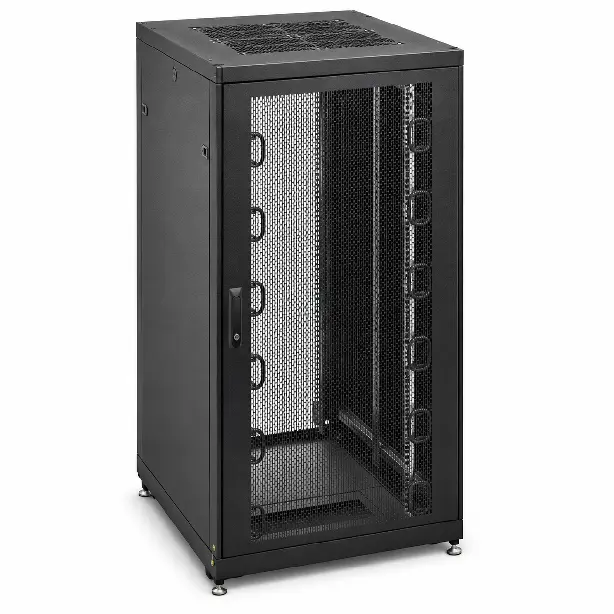
データセンターおよびIT機器

Sheet metal bending parts for data centers, network infrastructure, and IT hardware.

  • サーバーラックフレームおよびレール
  • ケーブル管理トレイ
  • キャビネットパネルおよびドア
  • 取付ブラケットおよびプレート

コンシューマーエレクトロニクス

Custom metal bending parts for consumer electronics housings, internal brackets, display structures, and precision sheet metal assemblies.

  • デバイス筐体&カバー
  • 内部支持ブラケット
  • ディスプレイ取付構造体
  • スピーカー&オーディオ金属部品
  • 小型精密成形部品

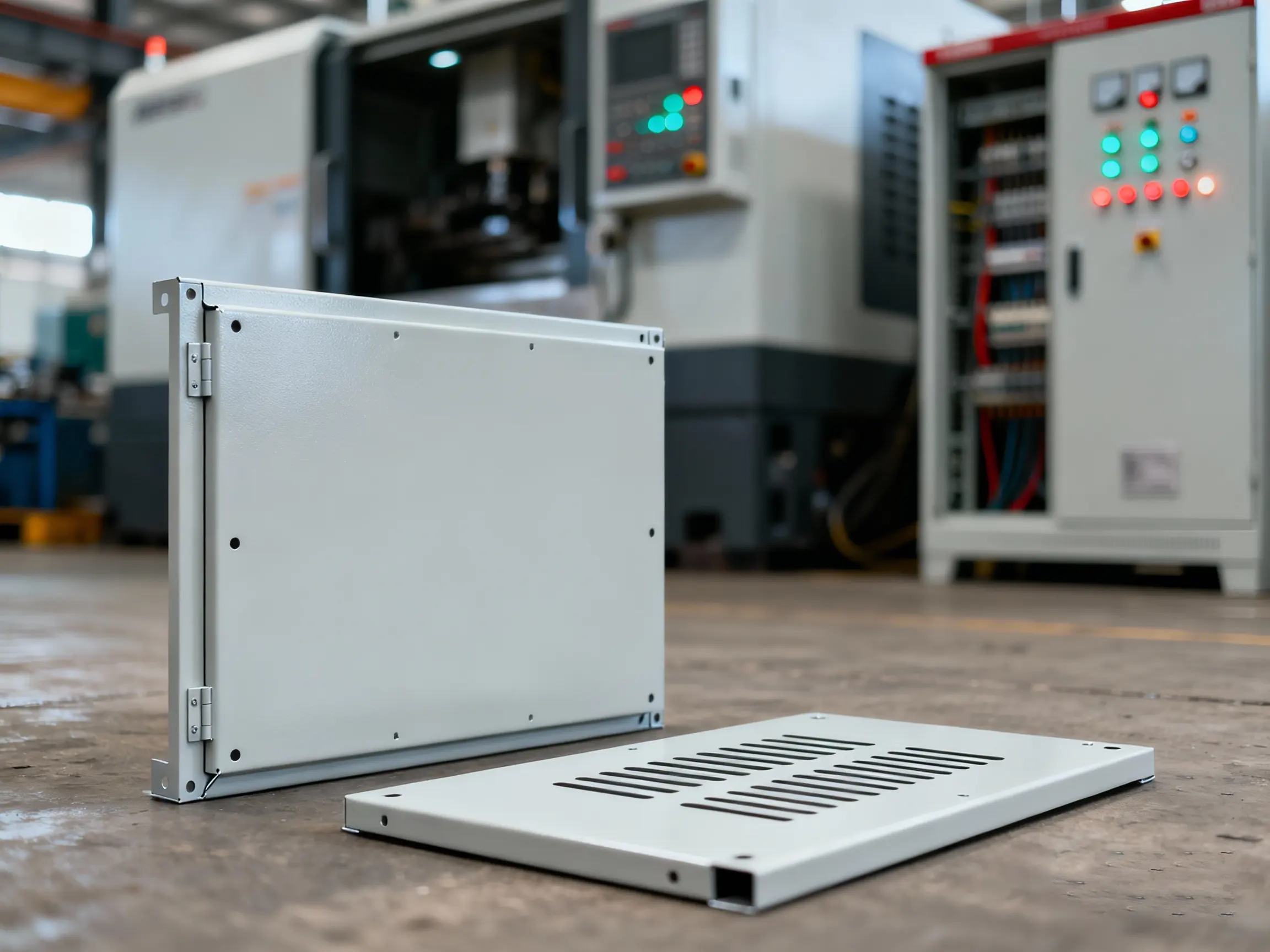
電気設備

Bent sheet metal components for electrical enclosures, control cabinets, power distribution units, and industrial electrical systems.

  • 電気キャビネット筐体
  • 制御ボックスパネル
  • 端子取付板
  • DINレールブラケット
  • 通気・アクセスパネル

産業機械

Metal bending parts for machinery, automation systems, production equipment, and structural machine assemblies.

  • 機械カバー&ガード
  • 設備フレーム
  • コンベアブラケット
  • センサ取付板
  • 保護パネル&シールド

新エネルギーシステム

Sheet metal bending solutions for EV charging equipment, battery systems, energy storage cabinets, and power conversion units.

  • バッテリー筐体部品
  • 充電ステーションキャビネット
  • エネルギー貯蔵キャビネットパネル
  • バスバー支持ブラケット
  • パワーモジュール筐体

屋外設備

Weather-resistant bent sheet metal parts for outdoor enclosures, equipment covers, BBQ grills, lighting systems, and structural fixtures.

  • 屋外設備筐体
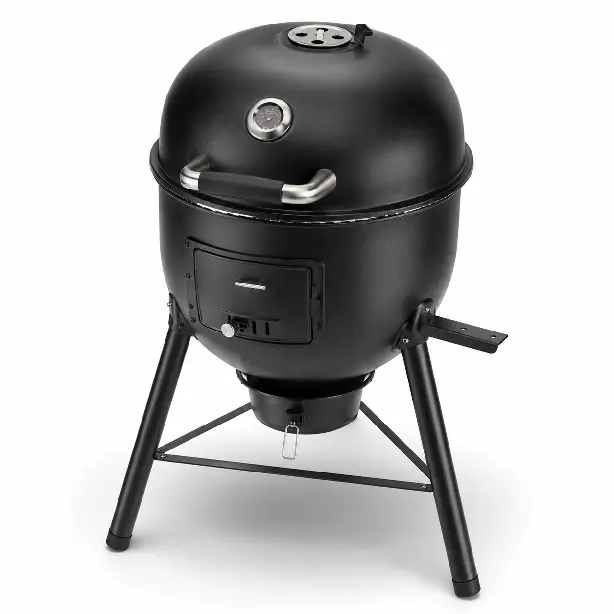
  • BBQグリル板金本体
  • 保護カバー&パネル
  • 取付ブラケット
  • 耐候性構造部品

お客様の用途に合わせて設計

Whether you need a single prototype or high-volume production, SR MFG ensures consistent quality,tight tolerances, and reliable delivery for your metal bending parts.

OUR WORKFLOW

From Drawings to Finished Bent Sheet Metal Parts

A clear workflow helps reduce bending risks, confirm manufacturability,and keep prototype-to-production delivery under control.
  • 1

    Provide Drawings or Samples
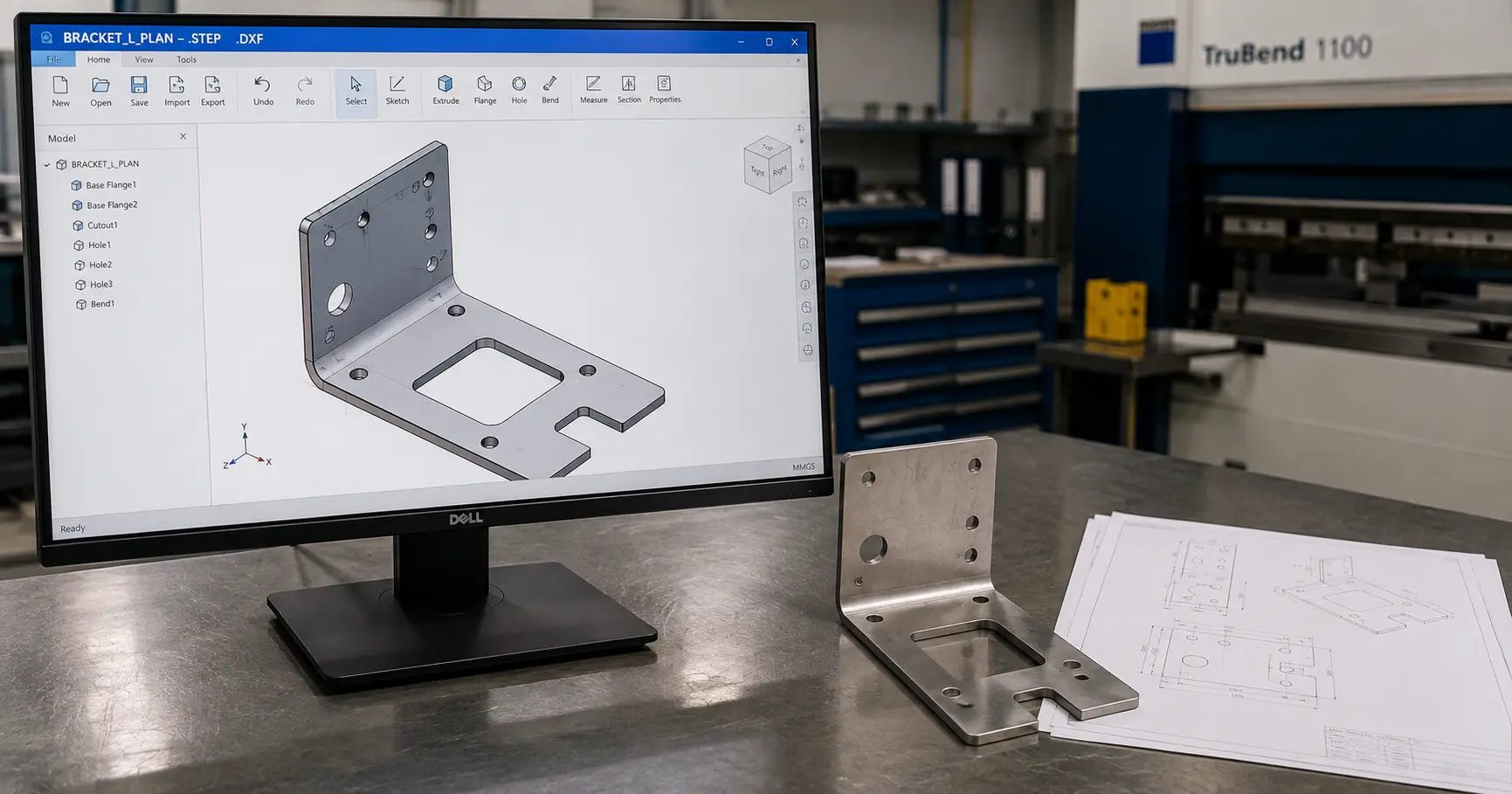
    Send your 2D/3D files, such as STEP, DXF, DWG, or PDF, together with quantity, material, surface finish, and target delivery requirements.

  • 2

    Engineering Review & DFM Recommendations
    Our engineers review bend radii, hole-to-bend distances, forming feasibility, material selection, and potential risks before production starts.

  • 3

    Quotation & Lead Time Confirmation
    We provide a detailed quotation with unit price, tooling cost if required, estimated lead time, and recommended delivery method.

  • 4

    Prototyping & Validation
    For new projects, prototype parts can be produced first to verify dimensions, function, assembly fit, and forming stability.

  • 5

    Mass Production & Quality Management
    During batch production, we monitor bend angles, key dimensions, compensation settings, and surface quality according to agreed inspection standards.

  • 6

    Finishing, Packaging & Shipment
    Optional finishing services include deburring, powder coating, painting, electroplating, and sub-assembly. Finished parts are packed and shipped according to customer requirements.

Design Considerations for 金属曲げ

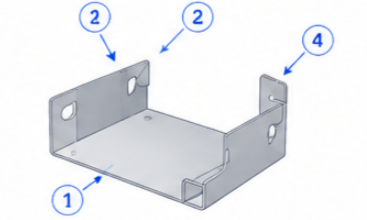
Metal bending affects structural strength, assembly accuracy, and manufacturability. SR MFG reviews bend radius, flange length, hole position, and bend sequence before production to help reduce distortion, cracking, and tooling interference.
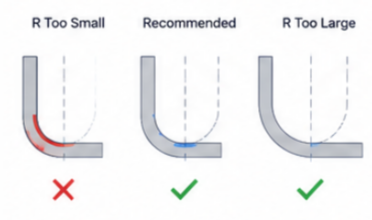
01

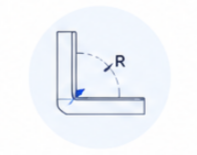
Bend Radius

Use an appropriate bend radius for each material and thickness to reduce cracking risk and improve forming stability.

02

Hole-to-Bend Distance

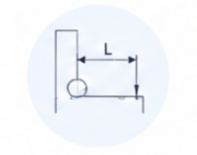
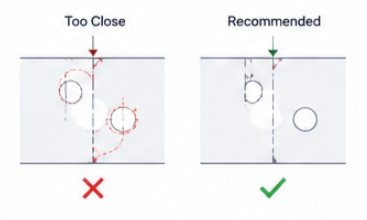
Keep holes, slots, and notches away from bend lines to prevent deformation during forming.

03

Flange Length & Flatness

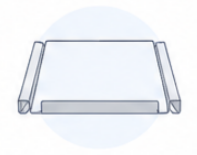
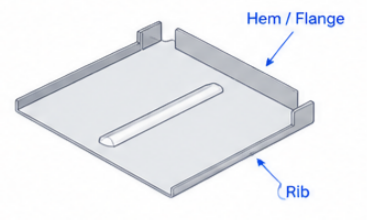
Use enough flange length for tooling contact, and add hems, ribs, or flanges to improve panel flatness.

04

Bend Sequence

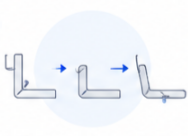
For parts with multiple bends, plan the bend direction and sequence early to avoid tolerance buildup and tooling interference.

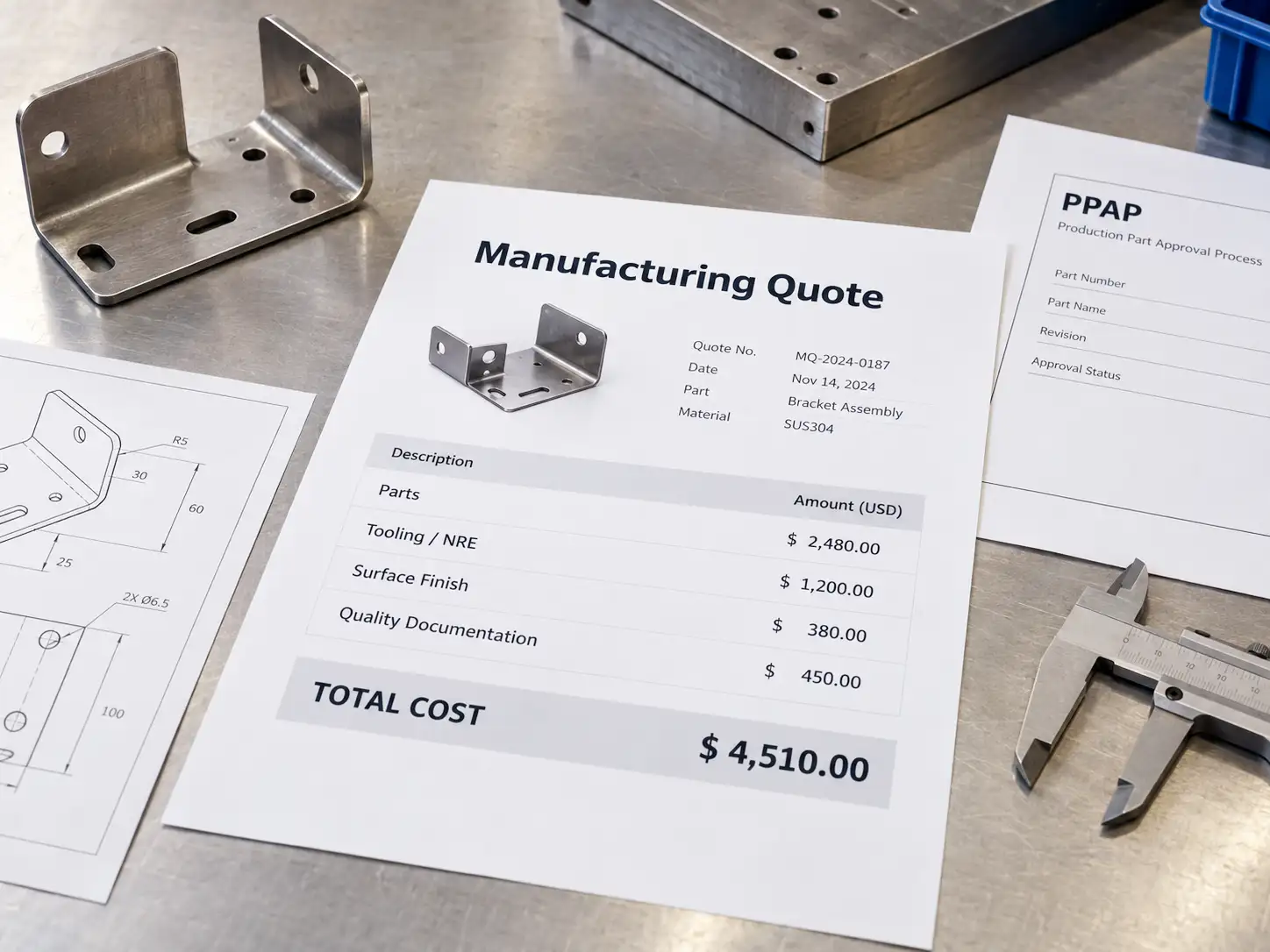
-PRICING FACTORS

Pricing for Metal Bending:What Determines the Cost?

Metal bending cost is influenced by material, thickness, part geometry,tolerance requirements, surface finish, and production volume.
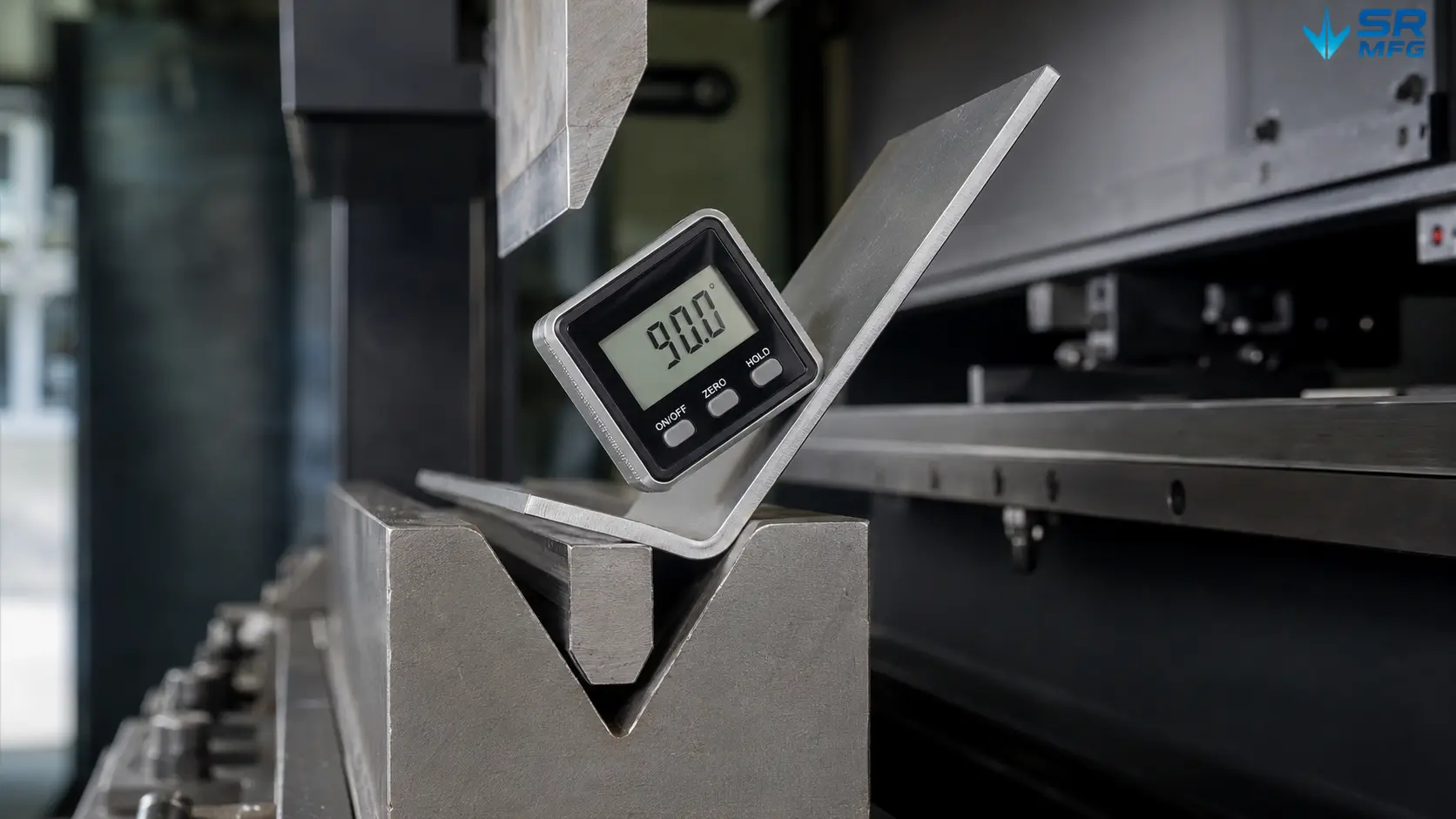
Digital angle gauge measuring bend accuracy on a sheet metal bracket during press brake forming inspection
  • Our pricing model reflects real manufacturing drivers,not just a “per-bend” number-so cost and qualitystay predictable for OEM customers.

Material & Thickness

Thicker or harder materials requirehigher bending force, special tooling,and longer setup time.

Part Geometry & Bending Complexity

Multiple bend directions, short flanges, small radii, and holes near bend lines increase forming difficulty.

Tolerance & Appearance Requirements

Tight angle tolerance, flatness, visible surfaces, and no-scratch requirements add inspection and handling cost.

Batch Size & Repeat Orders

Larger repeat orders can reduce unit cost by spreading programming, setup, and inspection time across more parts.
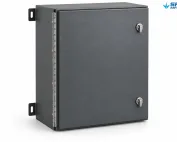
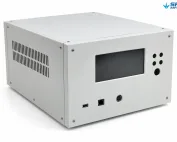
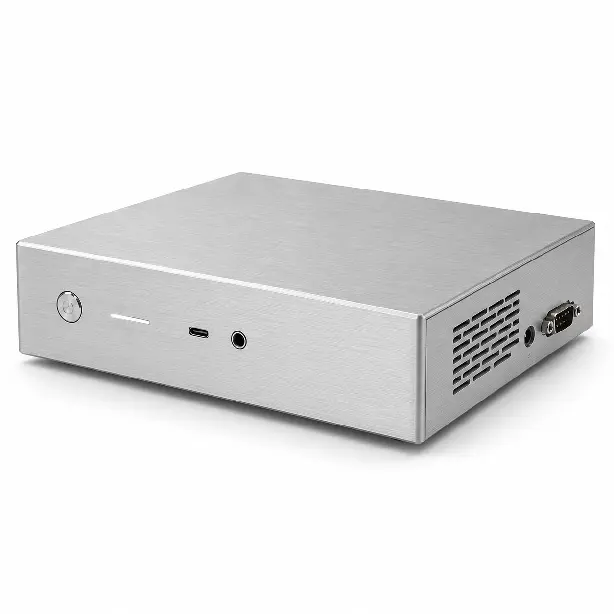
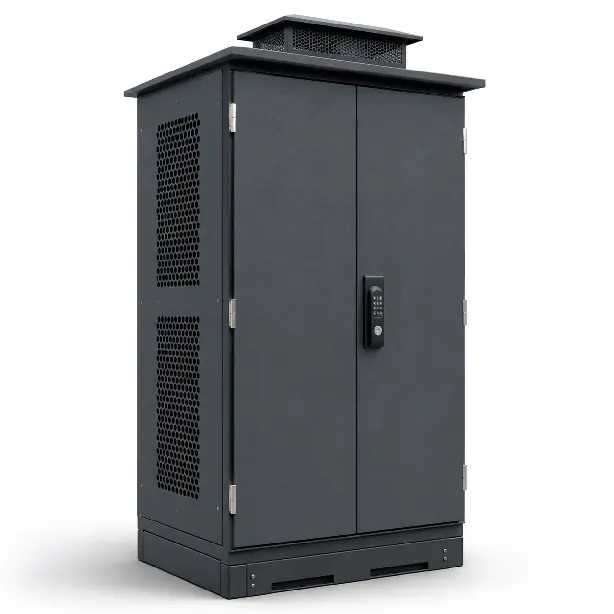
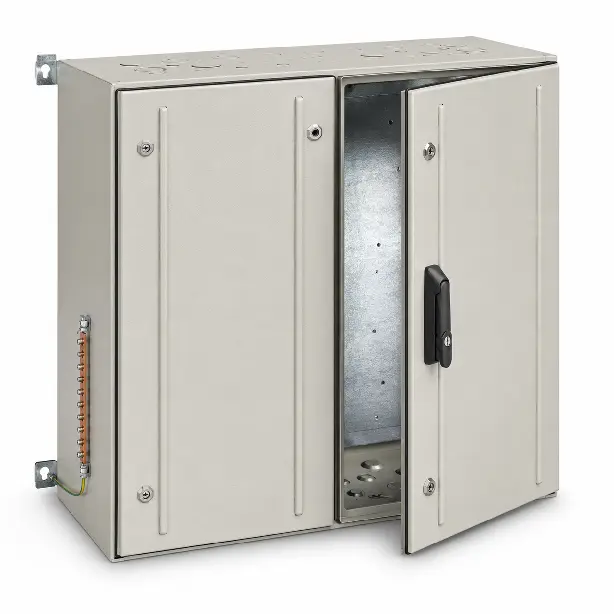
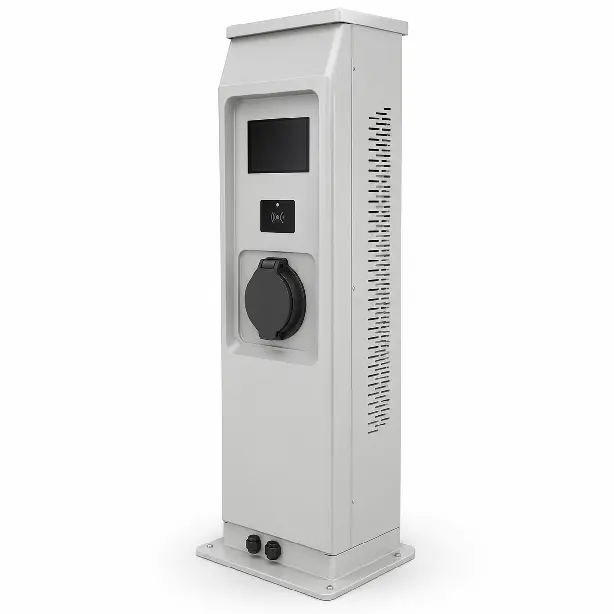
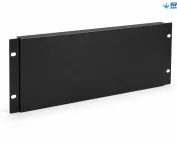
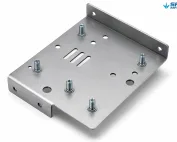
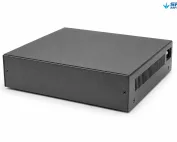
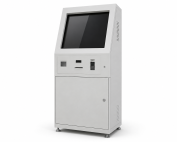
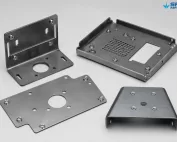
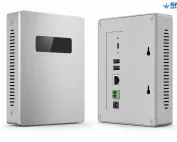
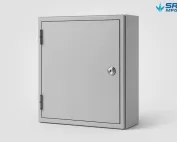
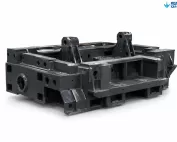
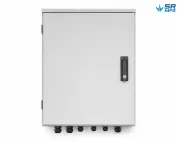
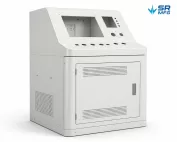
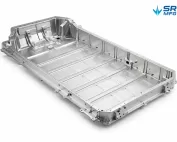
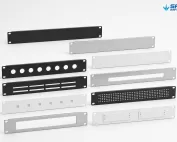
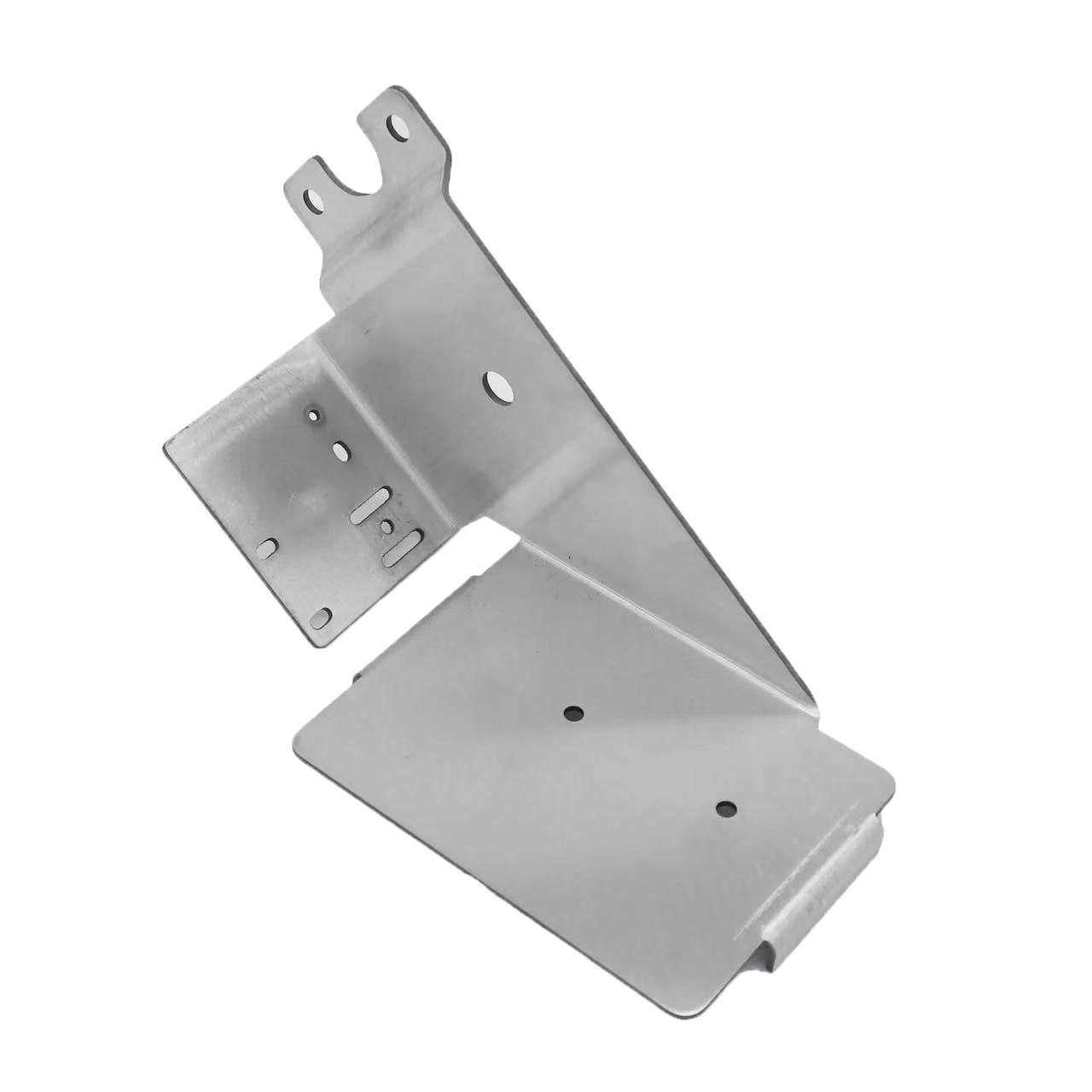
Metal bending products designed and manufactured by SR MFG

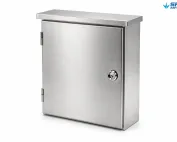
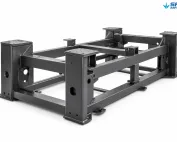
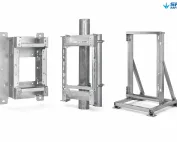
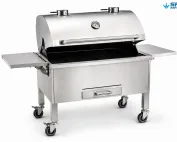
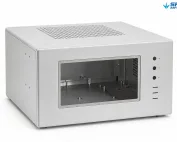
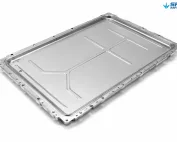
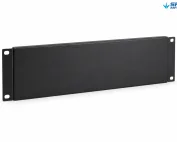
SR MFG has collaborated with global OEMs to co-design and manufacture a variety of custom sheet metal products, covering enclosures, chassis, panels, brackets, and structural components.

よくある質問 Common Problems Regarding Metal Bending

An accurate quote depends on complete technical data, including:

  • 3D models and 2D drawings with tolerances

  • Material grade and thickness

  • Expected surface finish and coating

  • Yearly or batch quantities

  • Any special tests, certifications, or compliance needs

With this package, we can define the bending/fabrication route, estimate cycle times, and give a realistic cost and lead-time window.

Capacity is defined by press brake tonnage, maximum bend length, and open height. In practice, this covers:

  • Thin-gauge doors and covers for cabinets

  • Medium-gauge structural members for frames

  • Thicker brackets and bases

all handled on the same platform, as long as each design stays within the validated material–thickness–length window (confirmed during RFQ and DFM review for each project).

Bending tolerances are first validated on prototypes using agreed measurement points for angles, flatness, and critical interfaces.
Once approved, these checkpoints are built into in-process inspection at the press brake and periodic dimensional audits, with FAI/PPAP-style documentation and SPC where volumes justify it—so the same tolerance scheme stays in place as production scales up.

Yes. In many OEM projects, bending is one step in a chain including laser cutting, welding, surface finishing, and assembly. We define a single integrated route so bent parts move through predefined workcentres and fixtures with common datums and reference edges, reducing handling, shortening lead times, and improving consistency at enclosure or frame level.

Yes. Bent sheet metal parts can be combined with deburring, welding, surface finishing, hardware installation, and assembly according to the project requirements. Keeping these processes with one supplier helps maintain dimensional consistency and reduces additional handling between production stages.

Bending creates a local plastic deformation zone where hardness and yield strength increase slightly, while ductility decreases; away from the bend, properties remain close to the base material.
For static housings and light brackets this is usually beneficial. For dynamic or safety-critical structures, bend radii, material grades, and load paths are defined more conservatively—sometimes supported by testing or simulation—to avoid fatigue or cracking issues.

Related Sheet Metal Manufacturing Resources

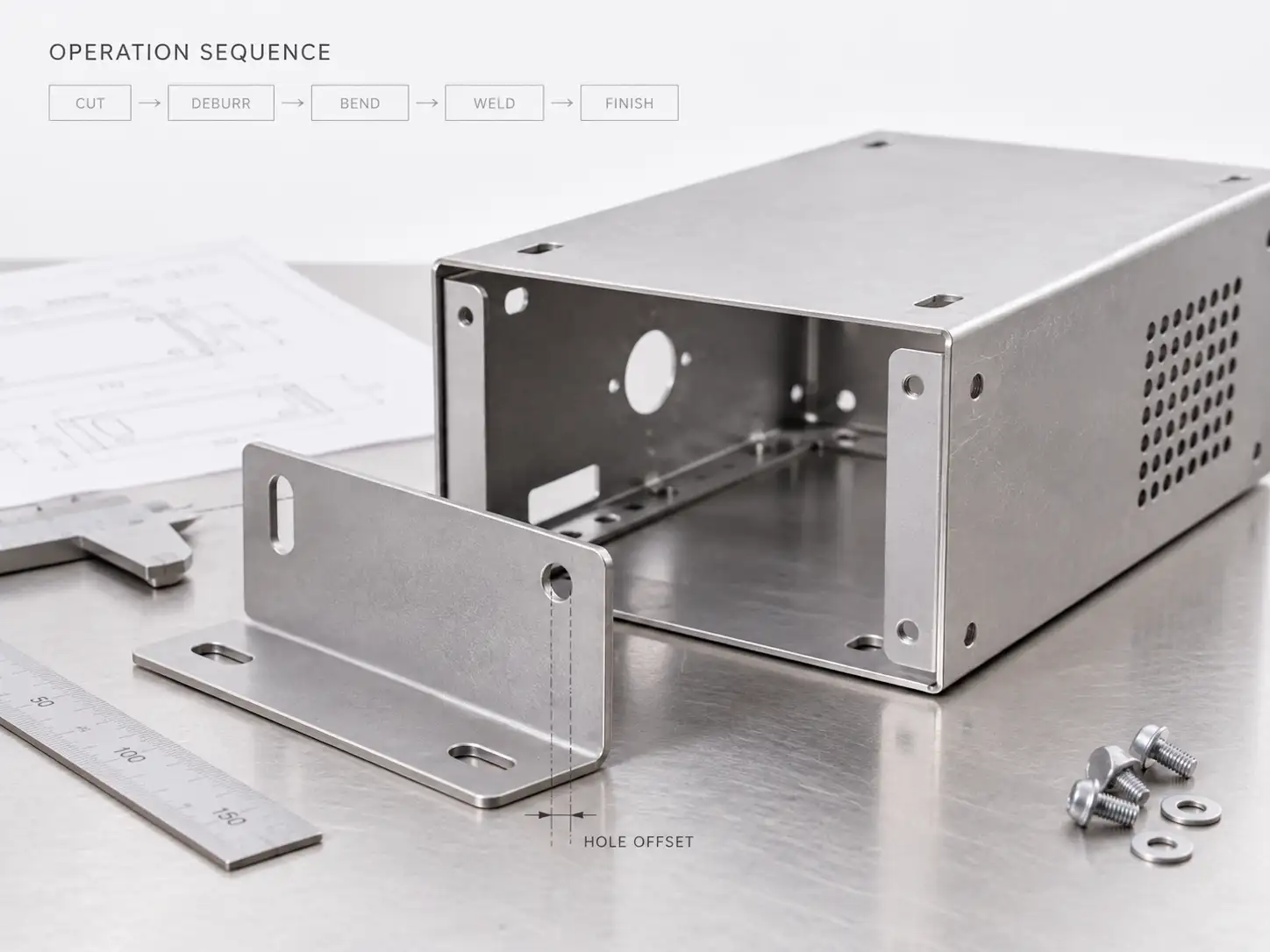
Operation Sequence

2026年9月10日|

A powder-coated enclosure arrives at your facility. The color matches the spec, the dimensions look right — until [...]

トップへ戻る